 Game / interactive
Claude Opus 5.5 lineage (site claims)
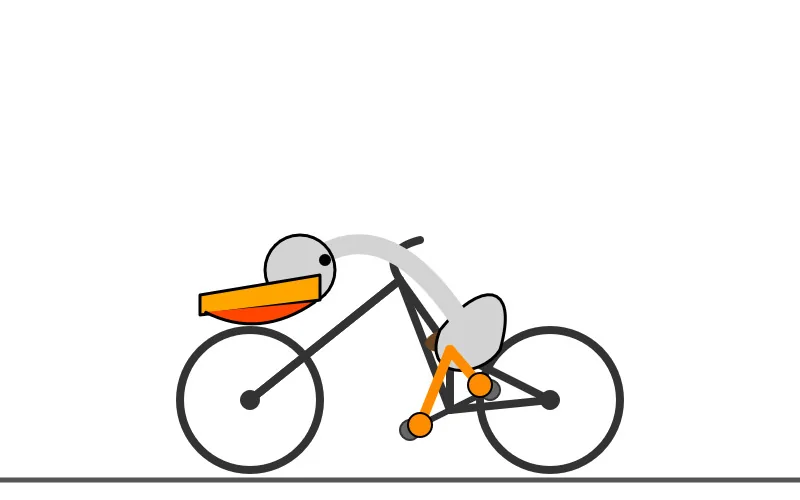
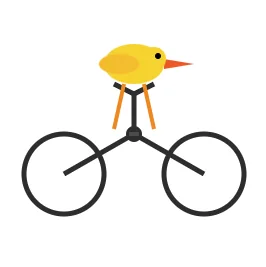
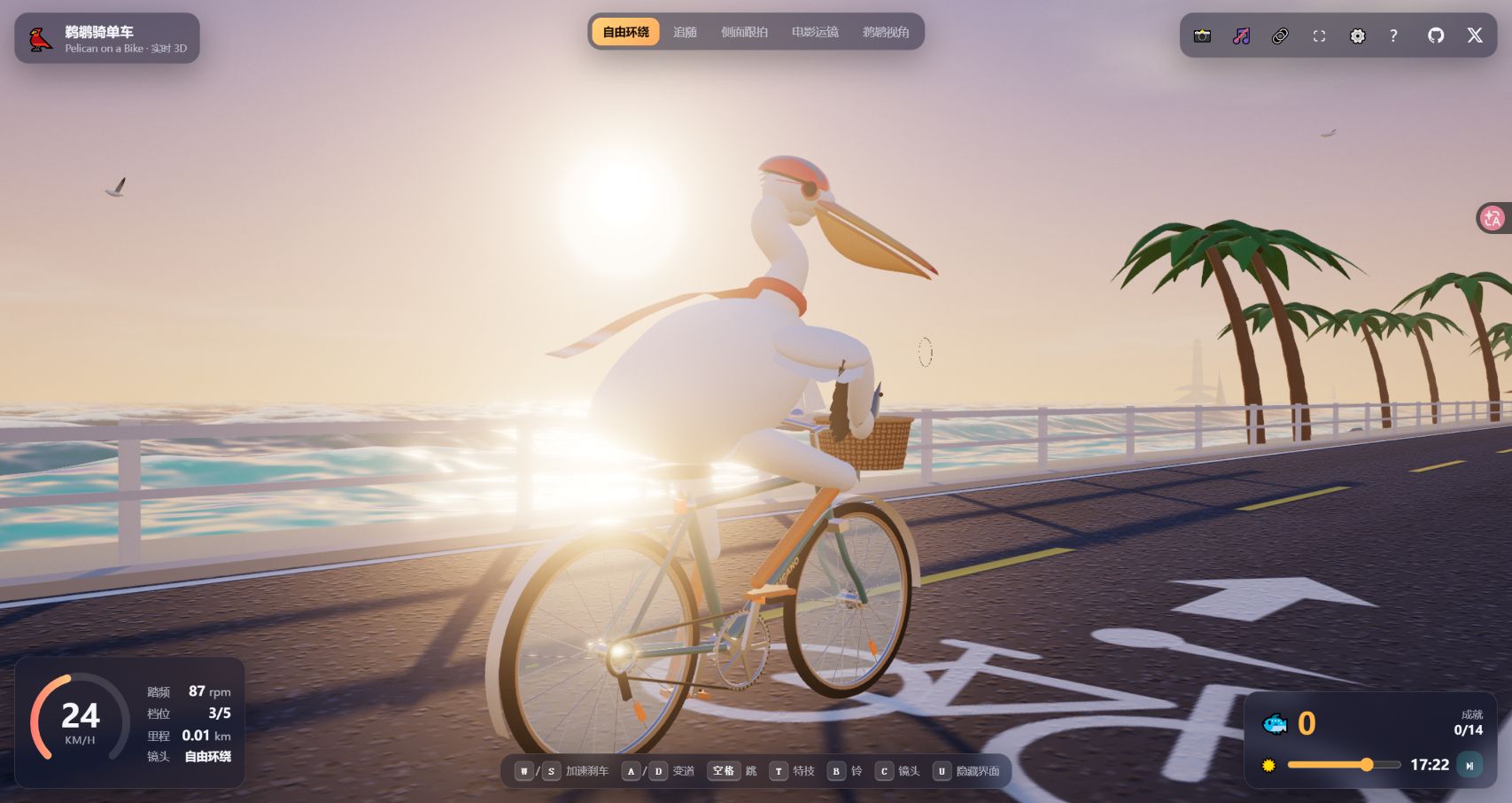
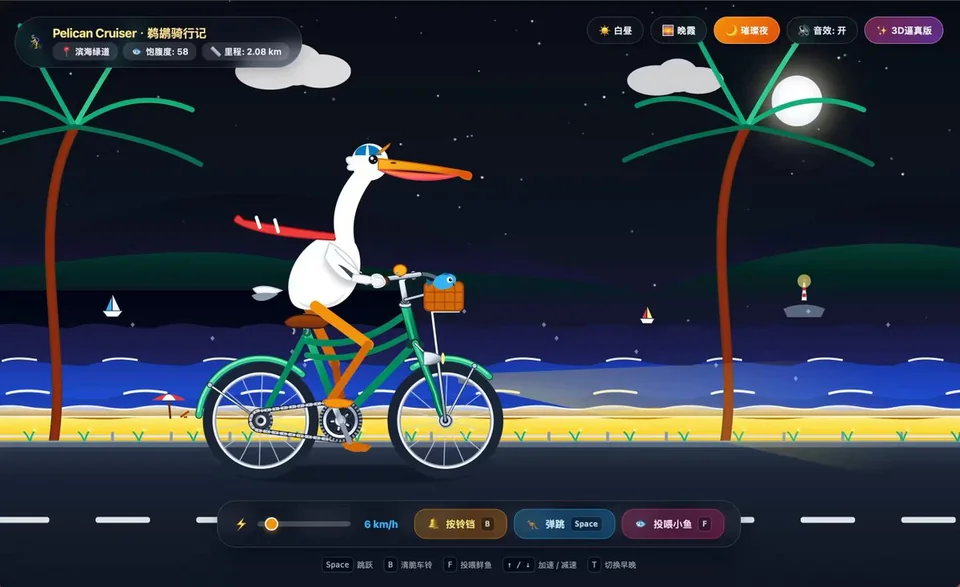
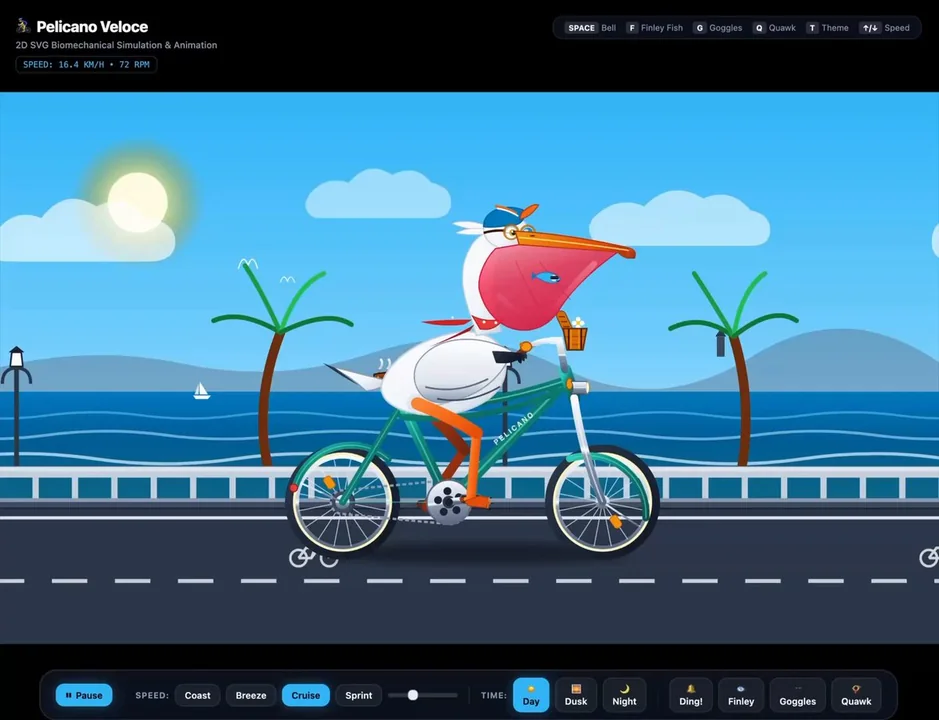
A playable coastal scene with a helmet, red scarf, two-bone IK, Verlet cloth, Gerstner waves, day/night cycles and fish catching. claude-opus-5-5.riba2534.cn
Timeline recordView record ↗
Explore works, community discussions and changing forms by date. The 1988 entry is a film predecessor; original date precision is preserved.
Game / interactiveA playable coastal scene with a helmet, red scarf, two-bone IK, Verlet cloth, Gerstner waves, day/night cycles and fish catching. claude-opus-5-5.riba2534.cn
 Animation
A side-by-side collection of 15 animated SVGs.
 Animation
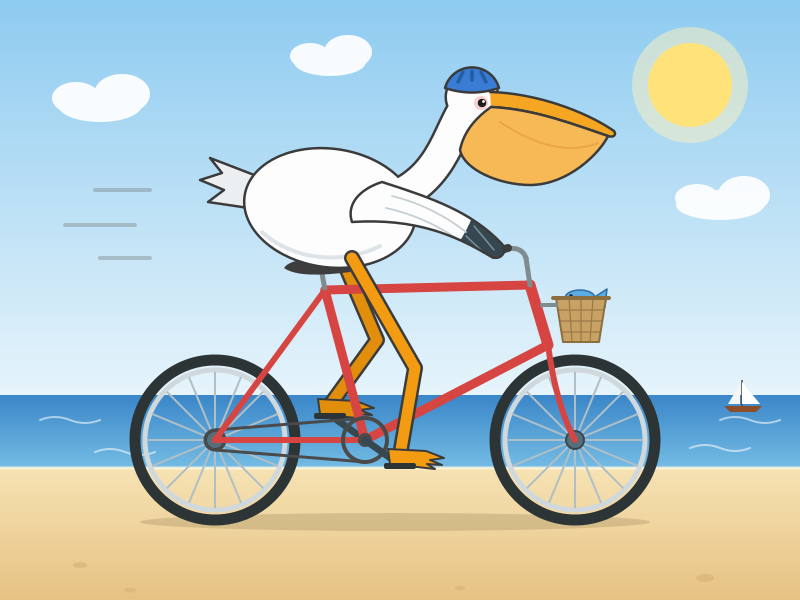
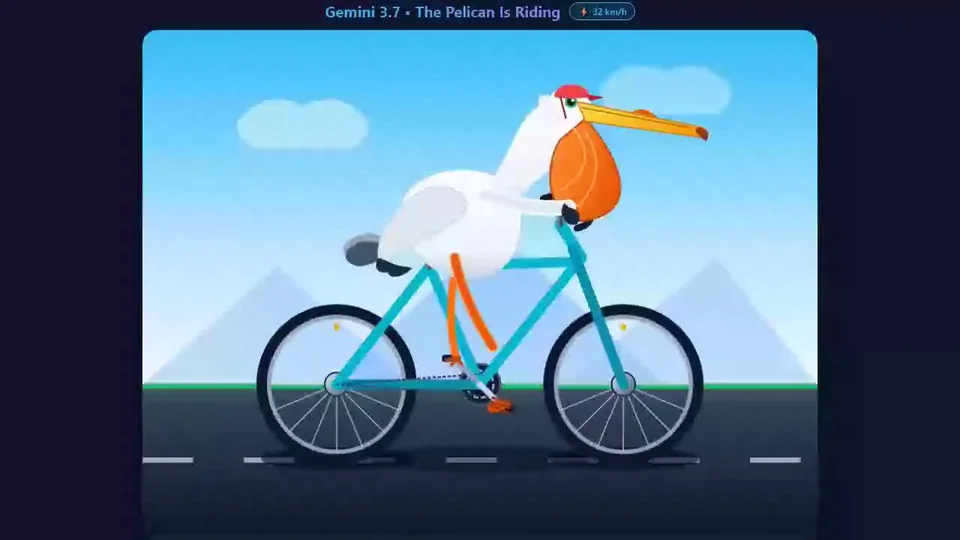
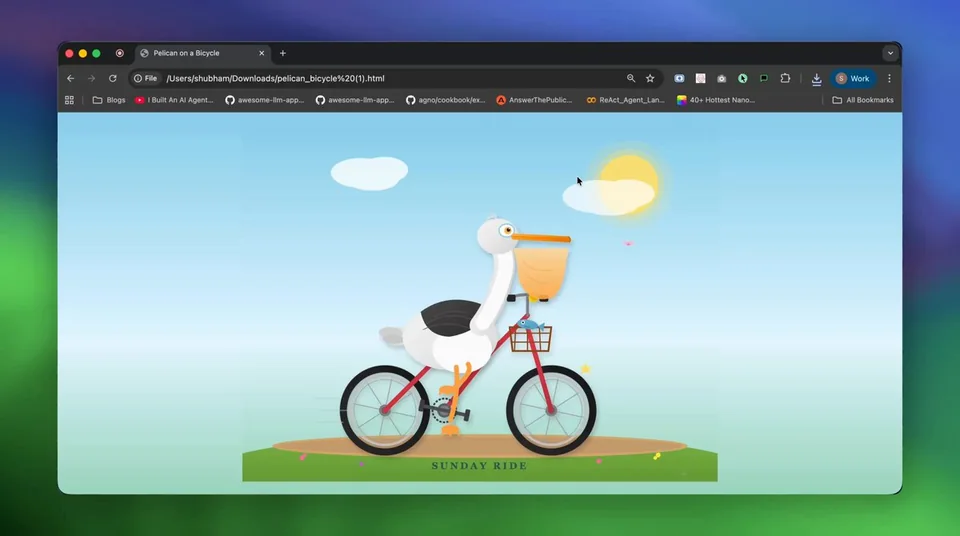
Max effort: 65,927 output tokens, 13m 54s, $3.30. A blue cap and fish in the basket. The author called it Anthropic's best pelican yet.
 Animation
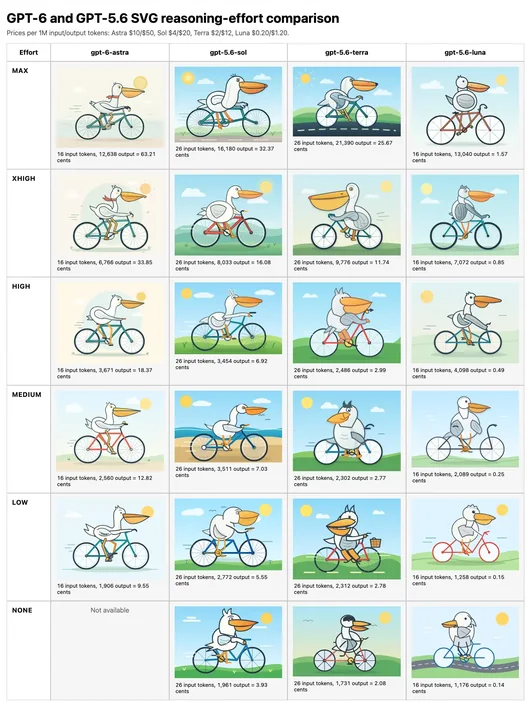 Static SVG
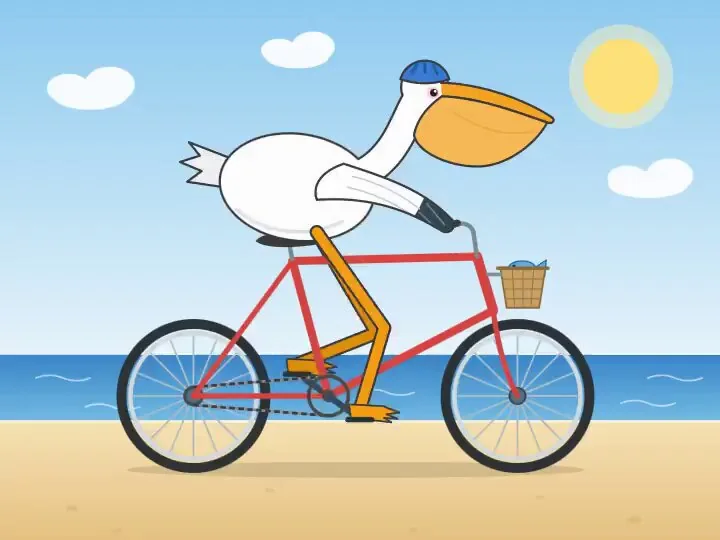
A grid comparing reasoning effort levels. Community comments said Astra finally looked more like a bird actually riding a bicycle.
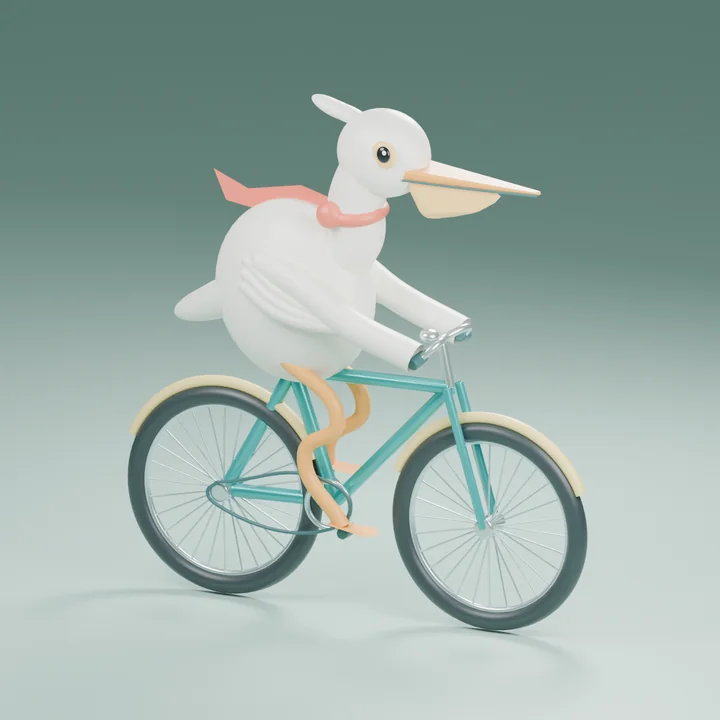 3D work
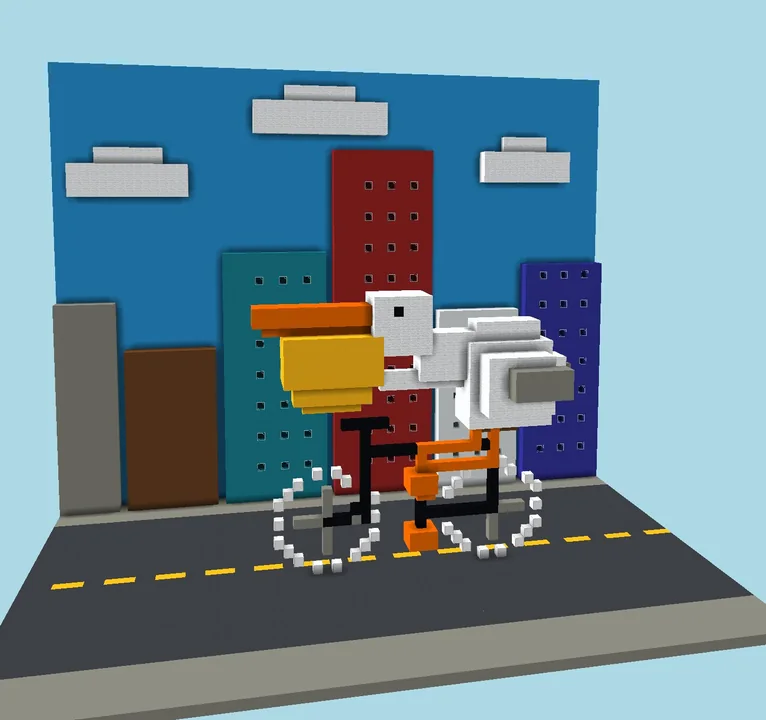
The classic prompt moved from SVG to a local 3D content-creation tool. Background and visual flourishes were added later.
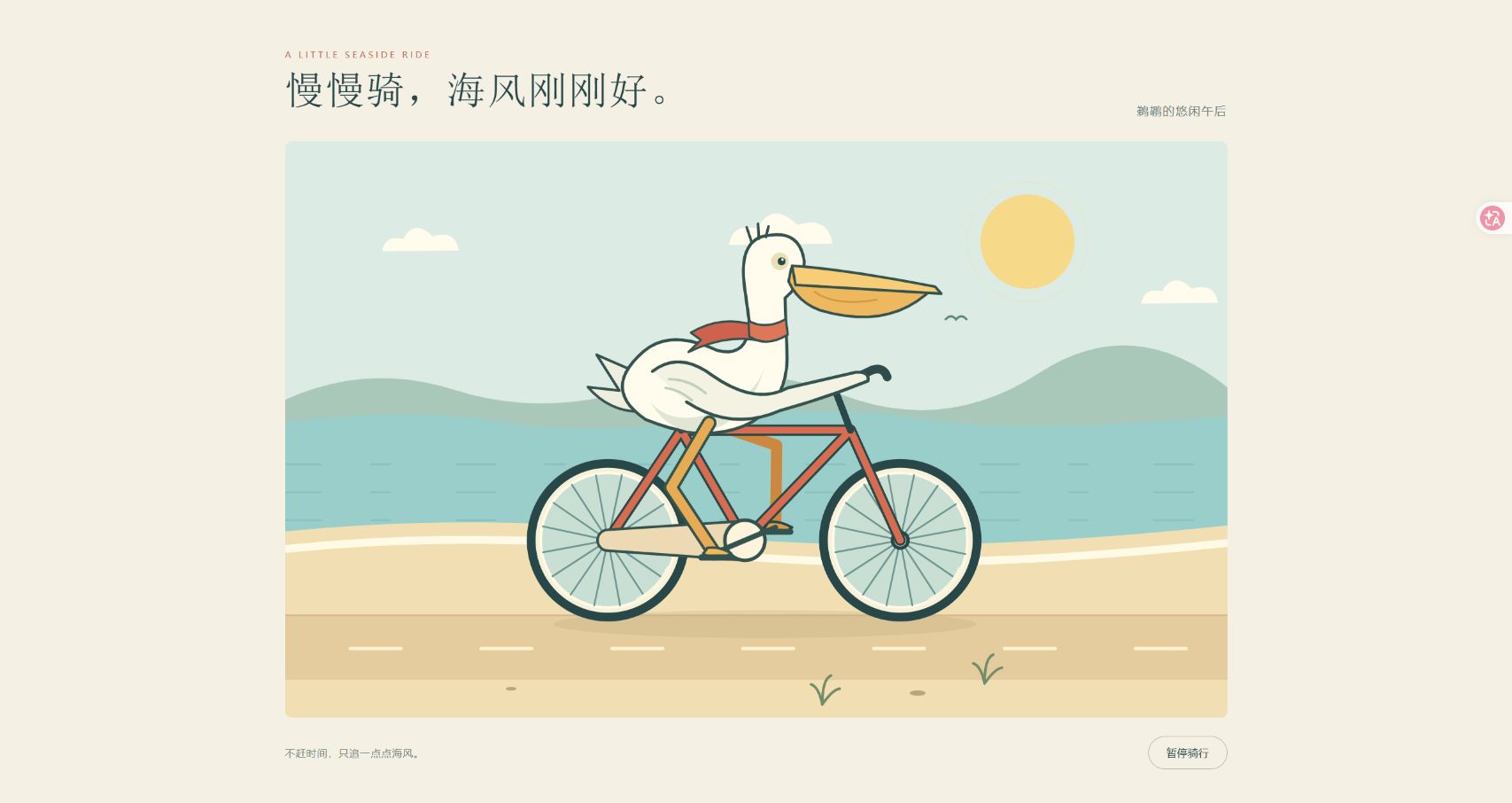 3D work
A short-prompt regression test covering instruction following, subject recognition, structure, coordinated animation, visual organization and context retention.
 Animation
A scoring rubric assigned 25 points to pelican features, 25 to bicycle structure and 30 to animation kinematics. Astra used two-link IK.
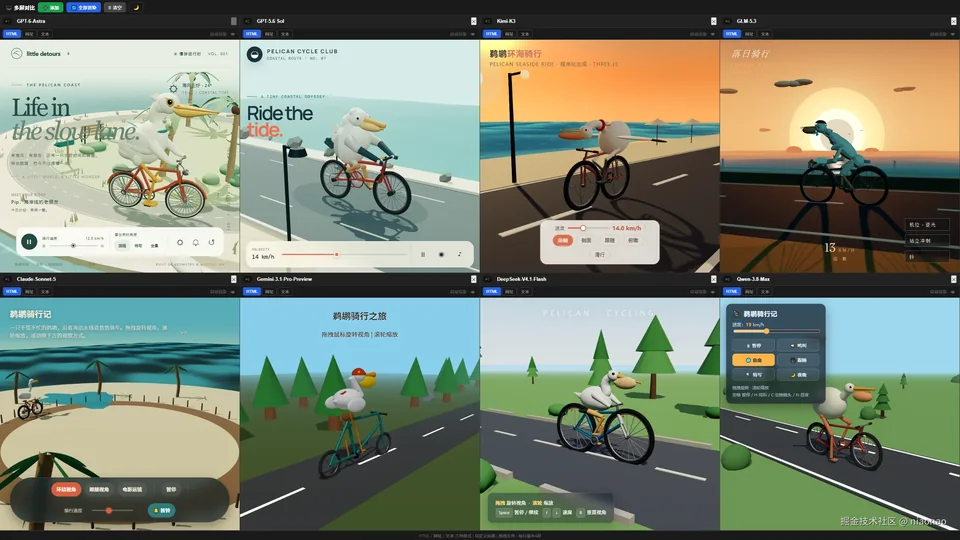 3D work
The source's ranking: Astra 94, GPT-5.6 Sol 88, GLM-5.3 86, Kimi K3 83, GLM-5.3-Flash 81, Sonnet 5 78, DS-V4.1-Flash 76, Qwen3.8-Max 74.
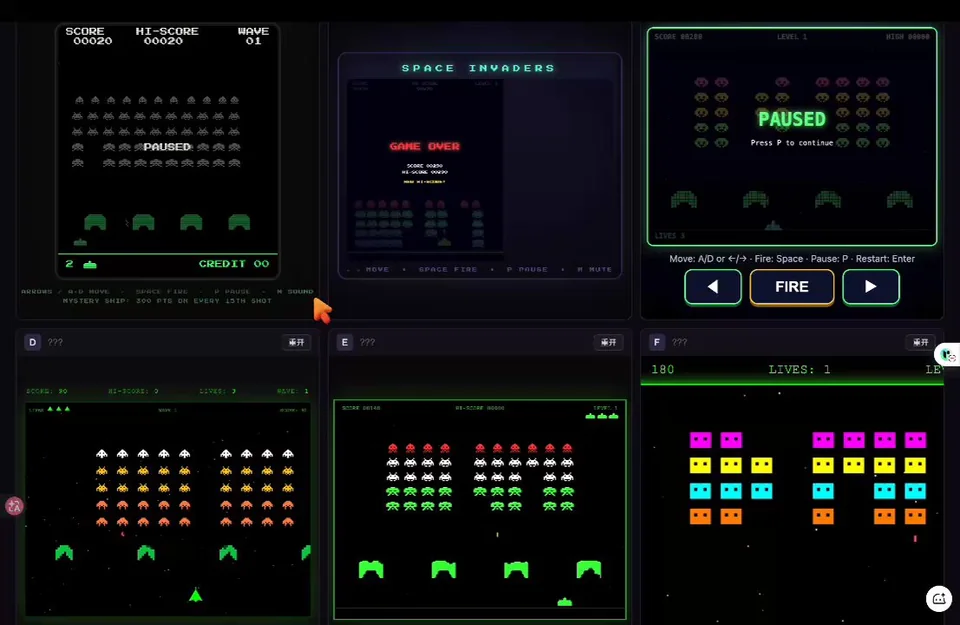 Video
VideoSimon tried another prompt in one shot, without editing the code.
 Video
VideoCodexRadar's “Pelican Cup” collected nearly 100 submissions to monitor possible Astra regressions.
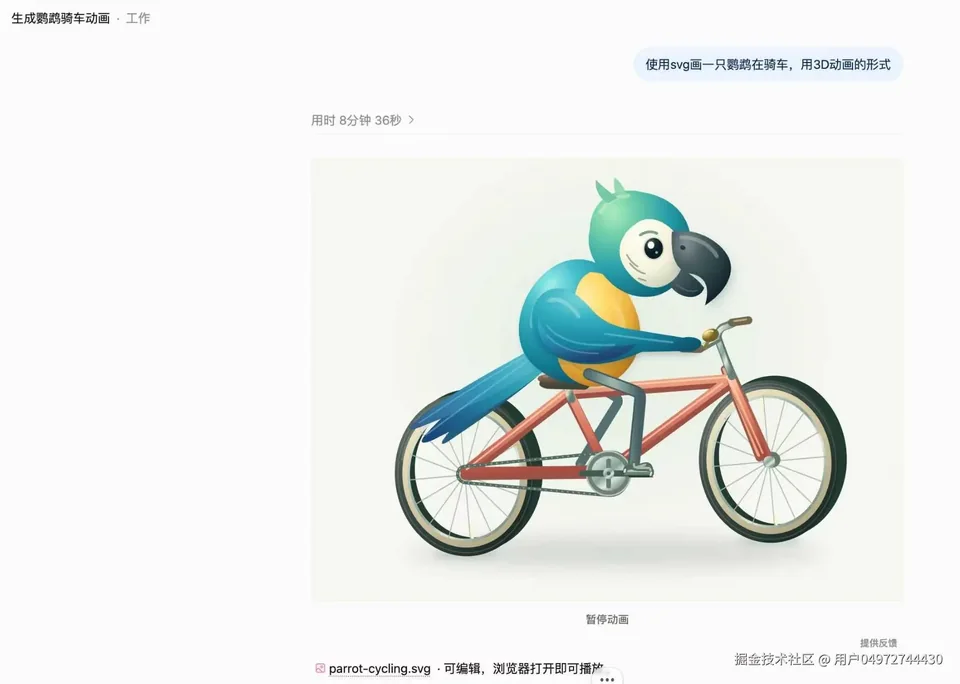 Game / interactive
A different species. Reported cost: about CNY 8 and 4 million tokens. Published at case.ccvibe.top, with added weather, night scenes and Mario-style gameplay.
 Animation
 Animation
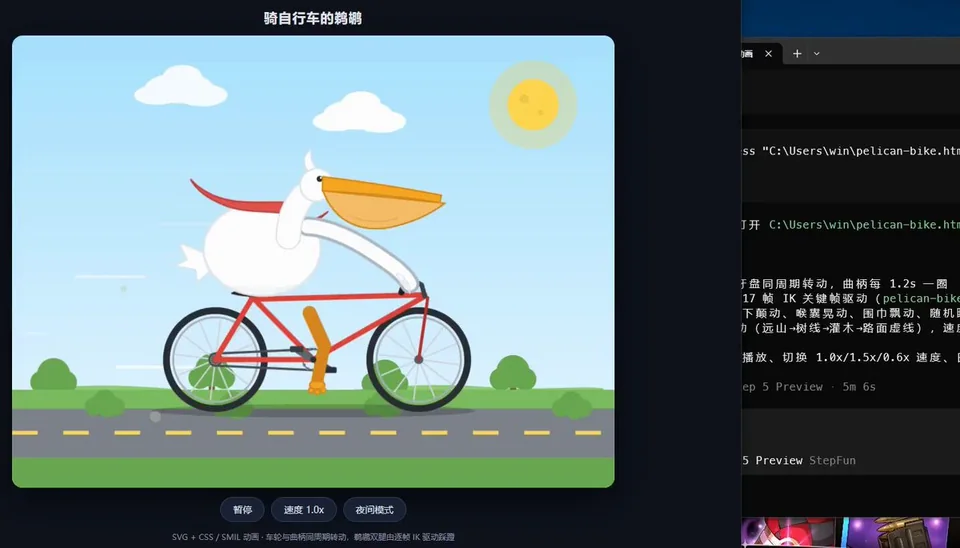
Four effort levels side by side, with local file reading prohibited.
 Animation
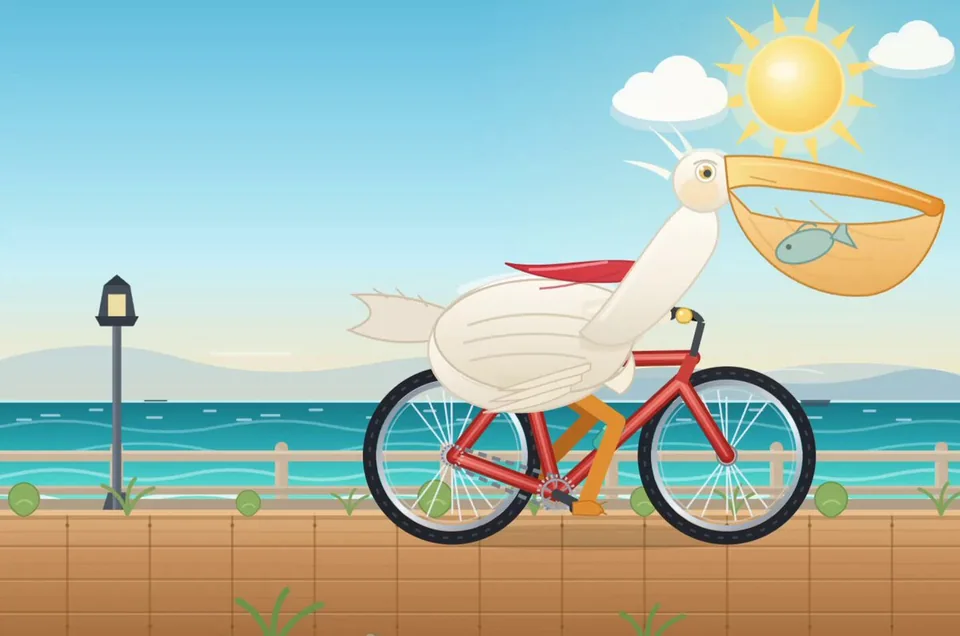 Animation
An example of a two-stage Chinese prompt. The connection dropped once; the author judged its aesthetics roughly on par with K3. Video length: about 11 seconds.
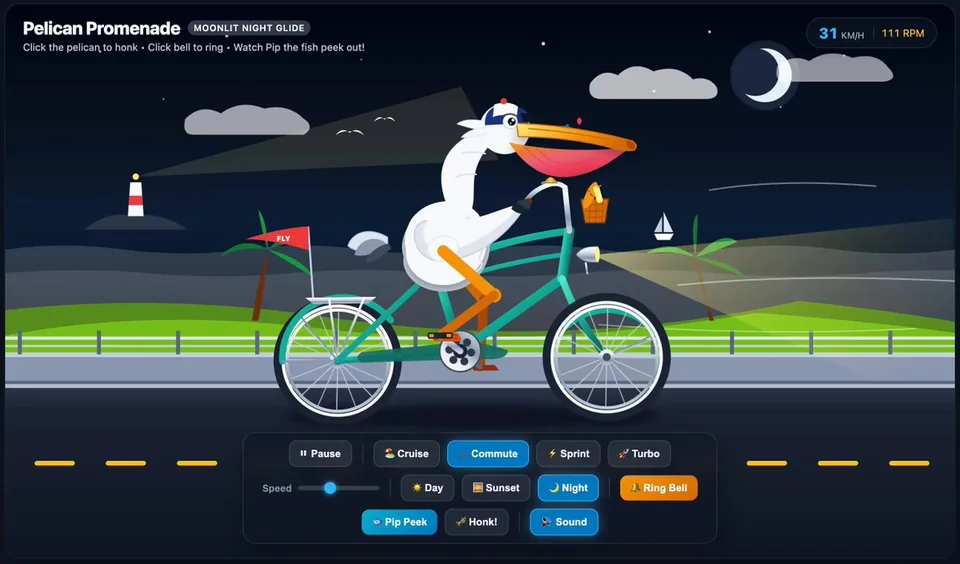 Animation
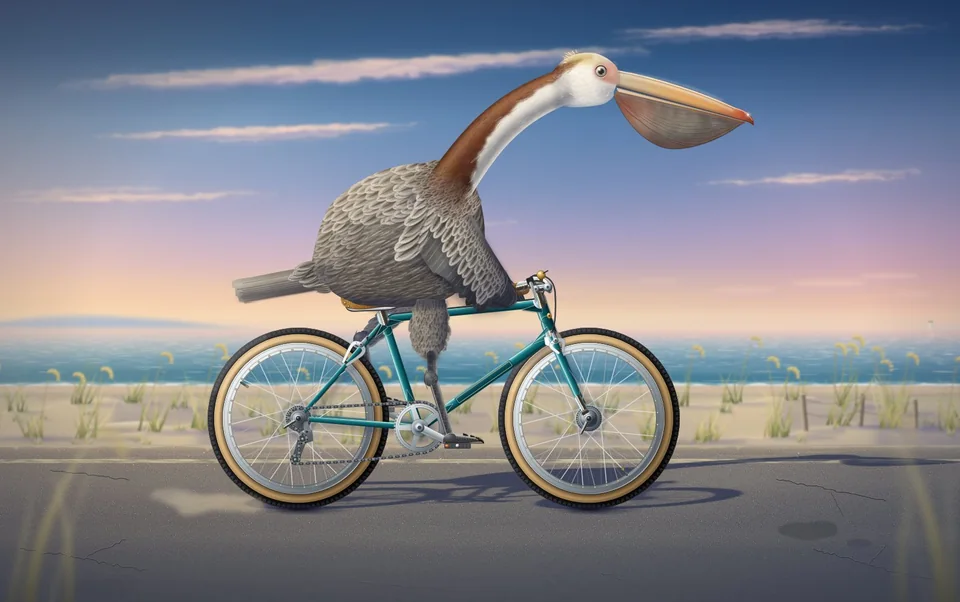 Static SVG
The author alleged that the model traced an image into 1.3 million characters of paths rather than reasoning spatially.
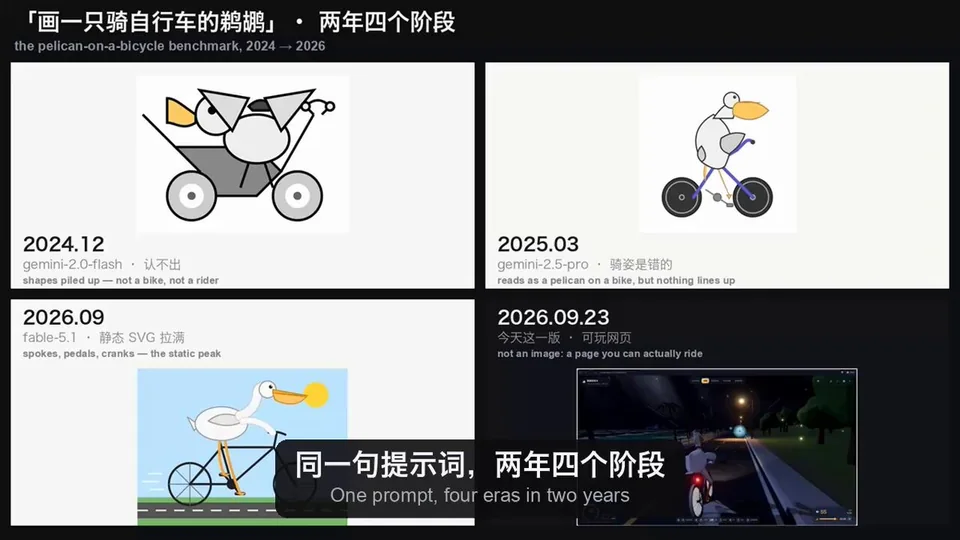 Video
VideoA Chinese timeline overview: unrecognizable in 2024, recognizable but incorrectly posed in 2025, static images reaching a ceiling in September 2026, then playable webpages.
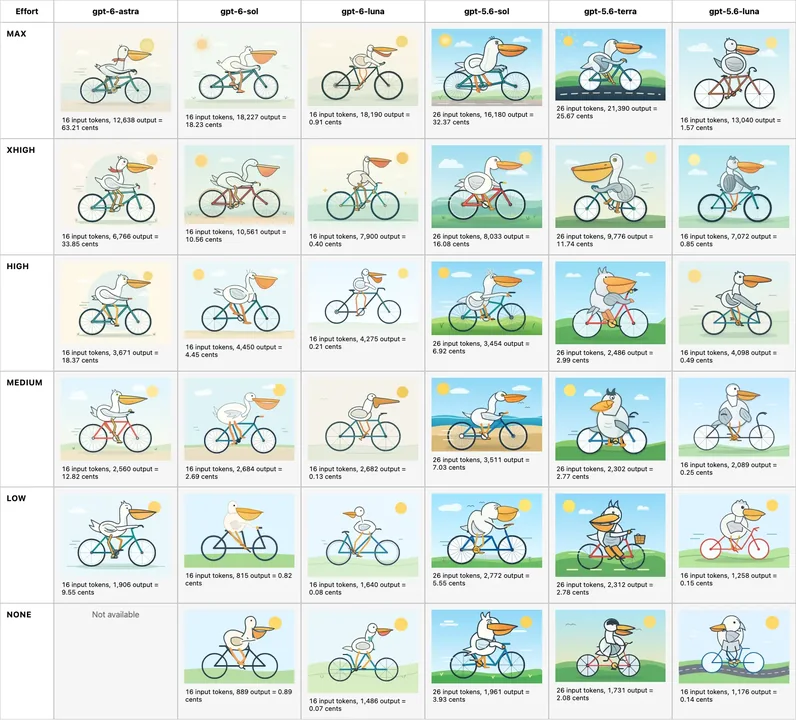 Text / reference
A Japanese summary of Simon's comparison grid.
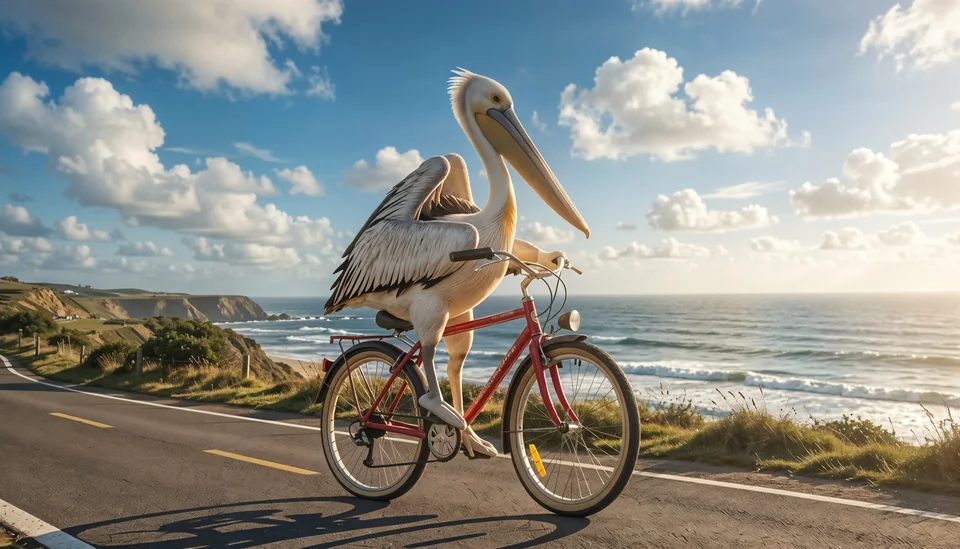 Text / reference
Text-to-image rather than SVG, showing the prompt's spread to image models.
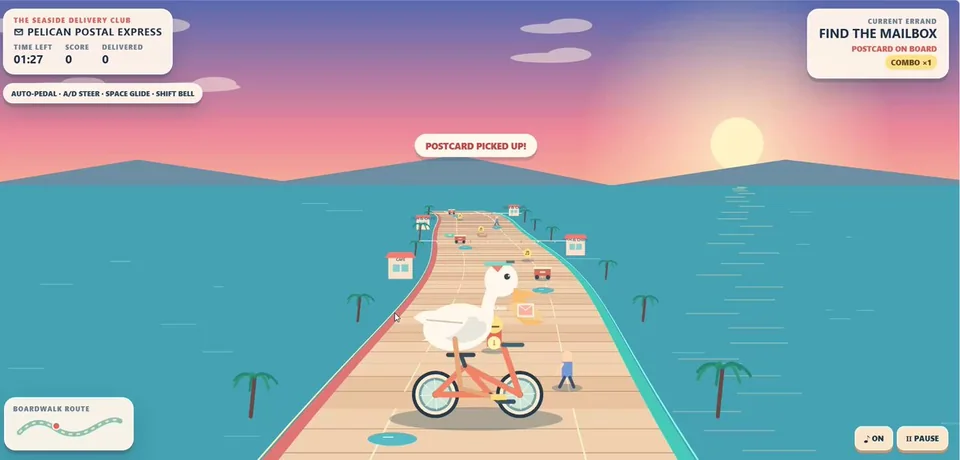 3D work
 Animation
A comparison of an elaborate 3D page with a simpler HTML/SVG animation, attributing the difference to the prompts.
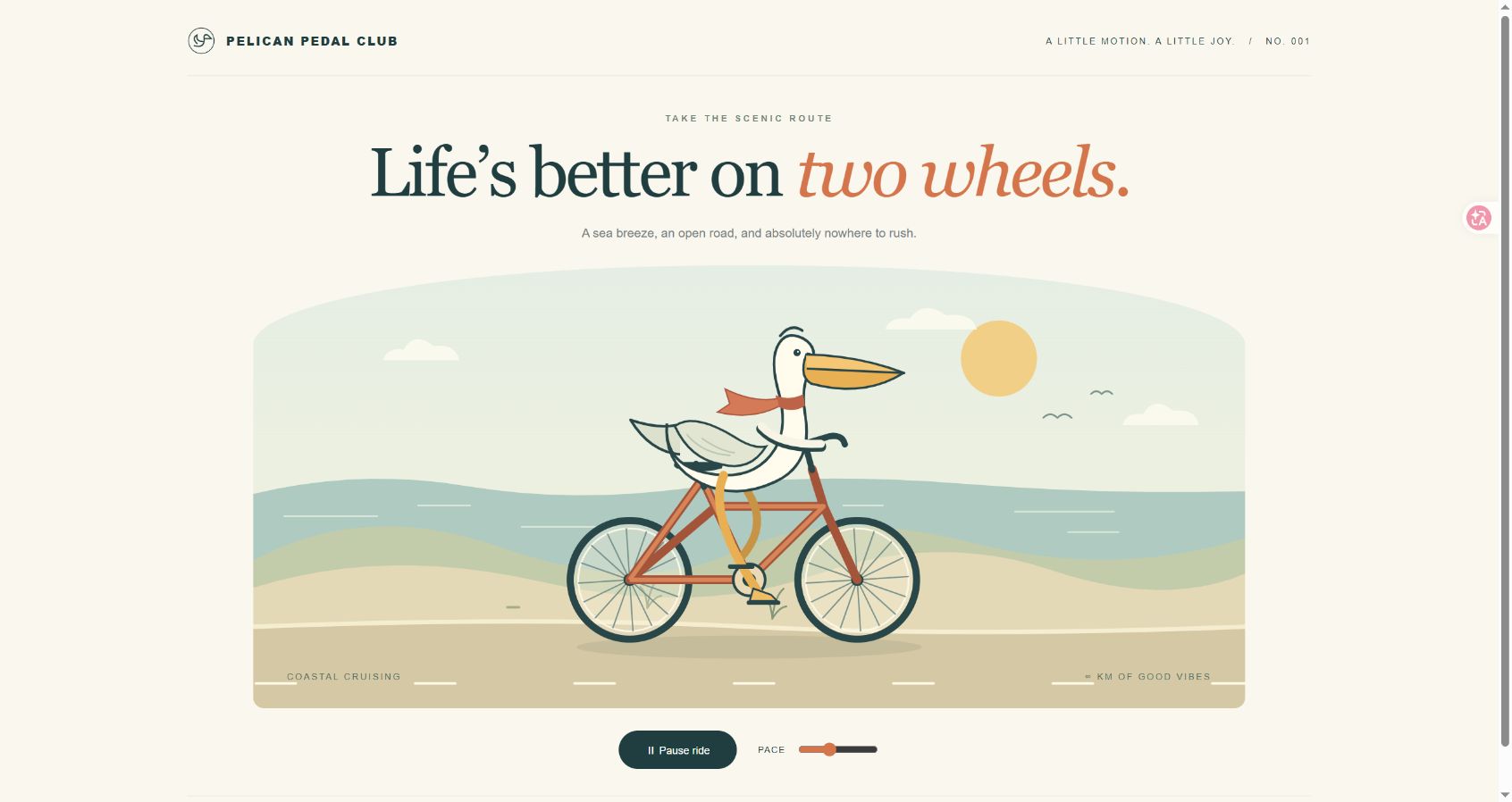 Animation
A comparison site with single-file HTML outputs from three models.
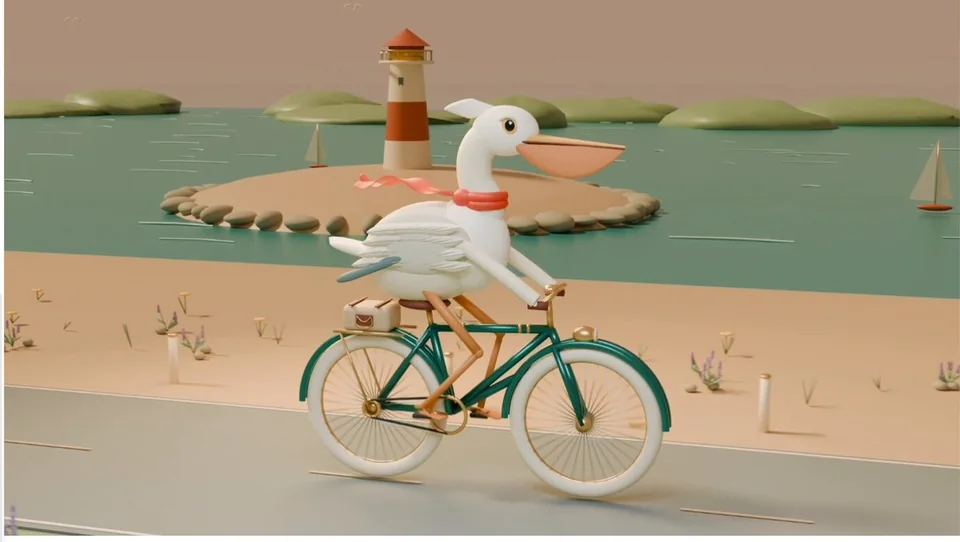 Animation
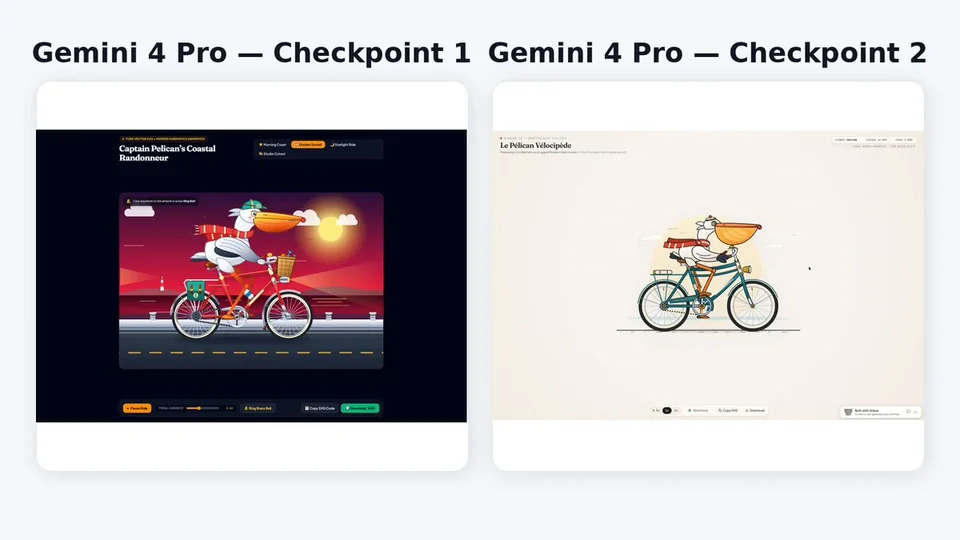 Animation
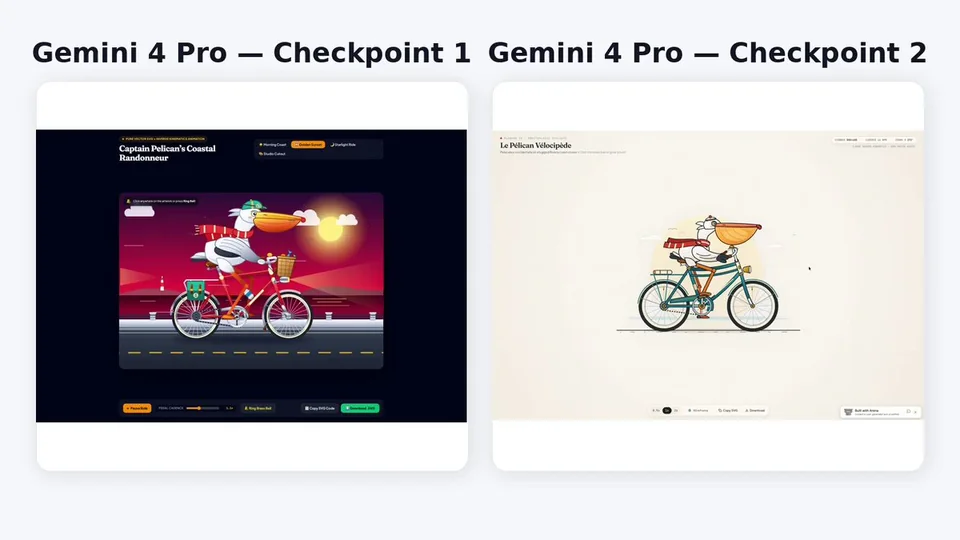
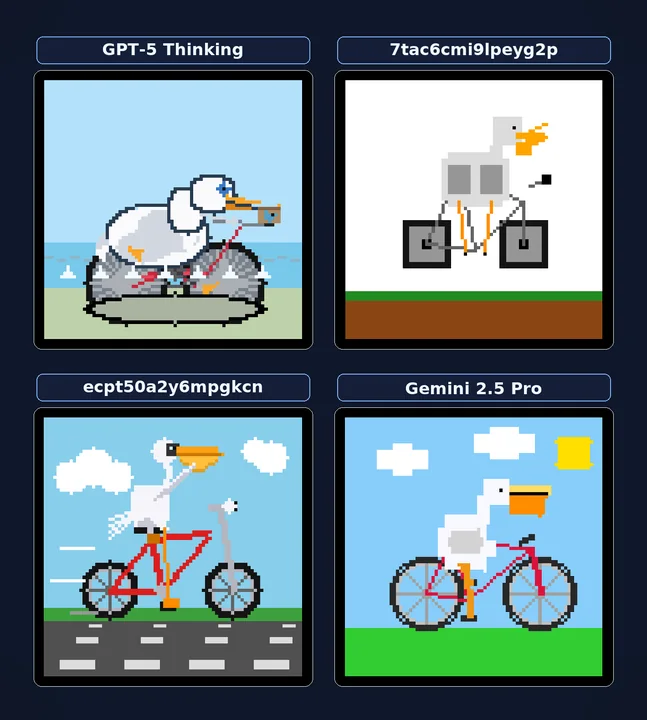
Two checkpoints produced very different styles from the same prompt. Some commenters questioned whether this was an official Gemini 4 model. A widely discussed comparison.
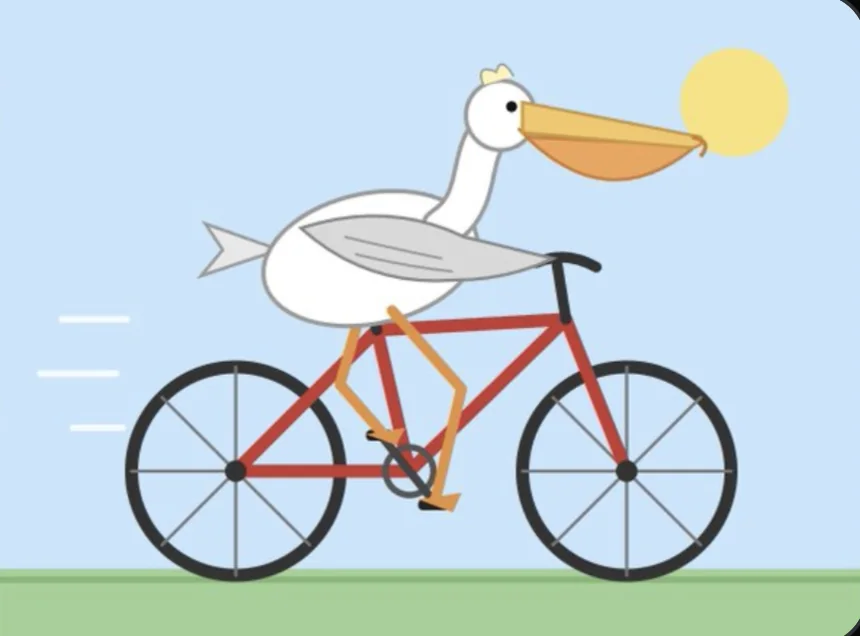 Static SVG
An overloaded variant combining the cycling pelican with Sun Wukong, Qin Shi Huang and combinatorics.
Game / interactiveA Japanese report on generating a 3D pelican cycling game from one prompt and deploying it to Cloudflare Pages.
 Text / reference
An observation after Opus 5.5's release: users were testing one-shot completion with cycling pelicans, small games and Three.js cities.
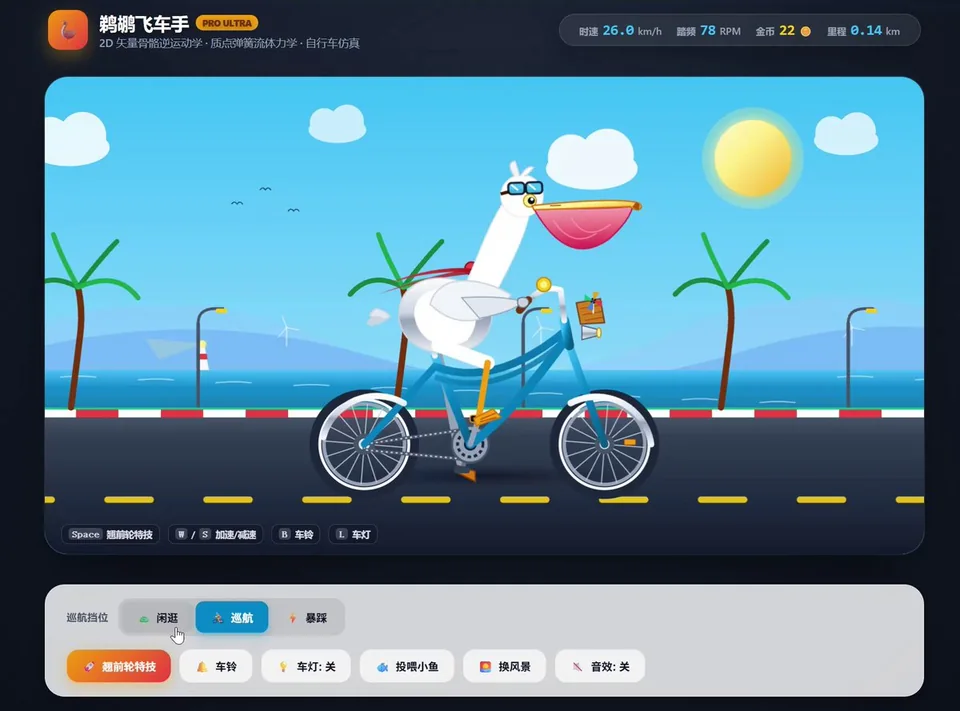 Animation
The author reported a three-minute one-shot result and had previously suspected cheating. Compared with LuminaBench's Gemini 4 Pro ckpt1 style.
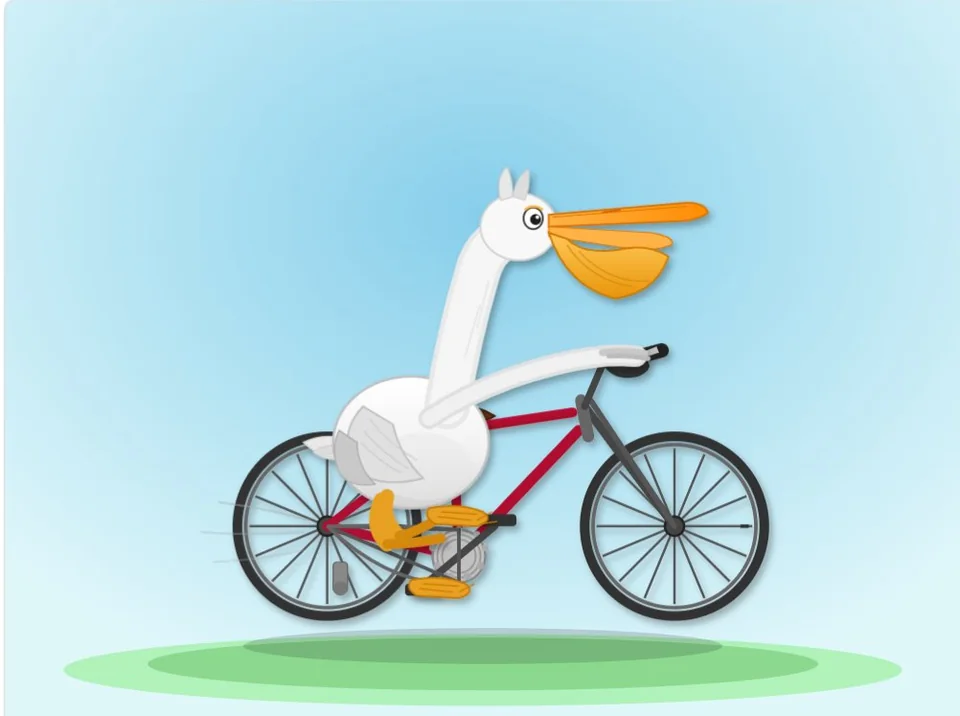 Static SVG
1m 52s. The classic prompt was tested as soon as the model launched.
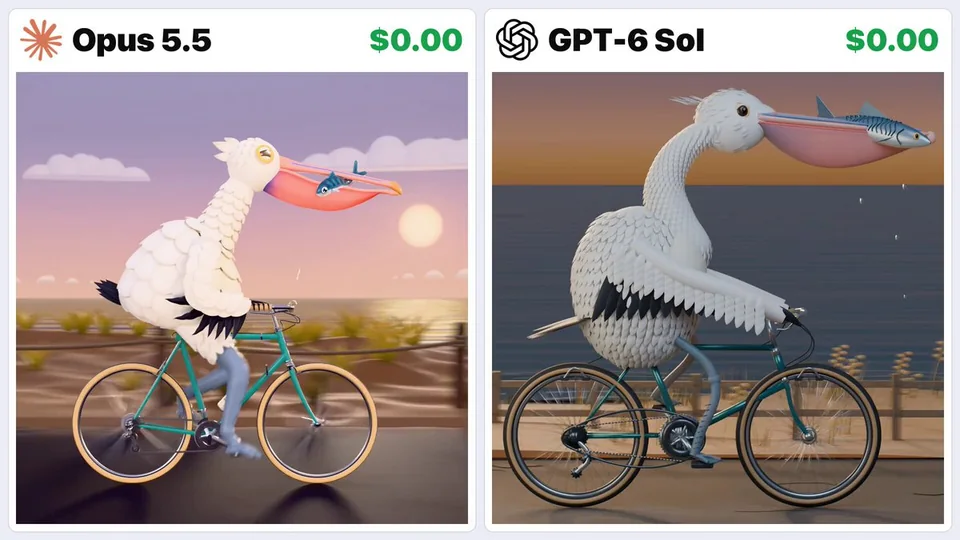 3D work
Moving from “can it make 3D?” to “does it hold up in close-up?” Reported costs: Opus $48.11, Sol $34.55.
 Video
VideoAn evolution montage combining animations from multiple model generations, about 40 seconds long.
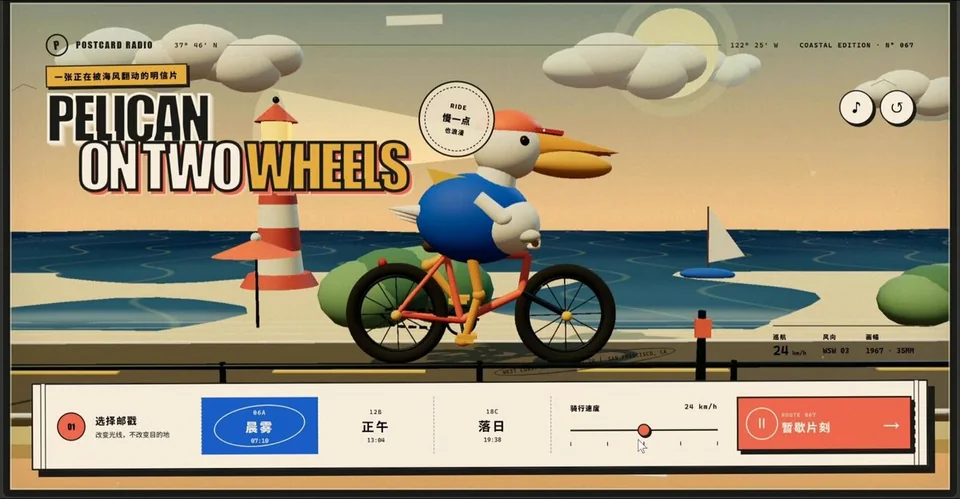 Game / interactive
An orange cap, yellow beak, blue outfit and red bicycle on a coastal road with a lighthouse and sailboat. San Francisco coordinates, fog/noon/sunset modes, a 38 km/h speed display and radio UI. Video: about 33 seconds.
 Static SVG
Relay services reportedly recognized the fixed prompt and returned a prebuilt SVG while spoofing model identity, undermining the test.
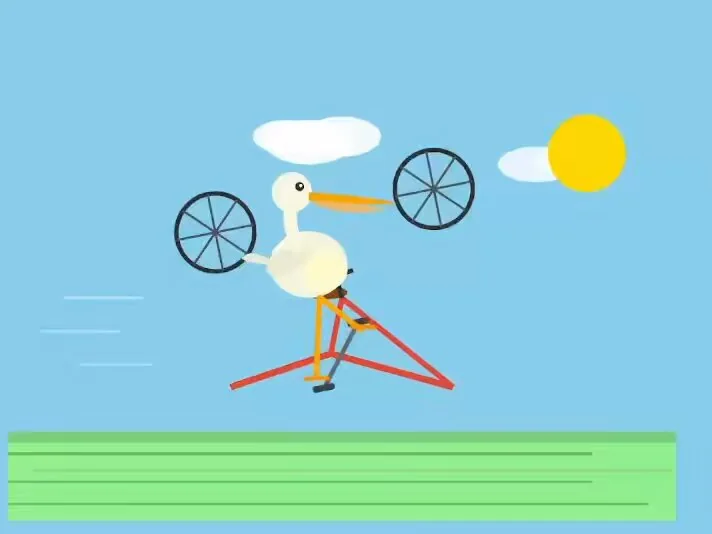 Animation
Generated in 58 seconds, with an awkward-looking result; 19,000 views.
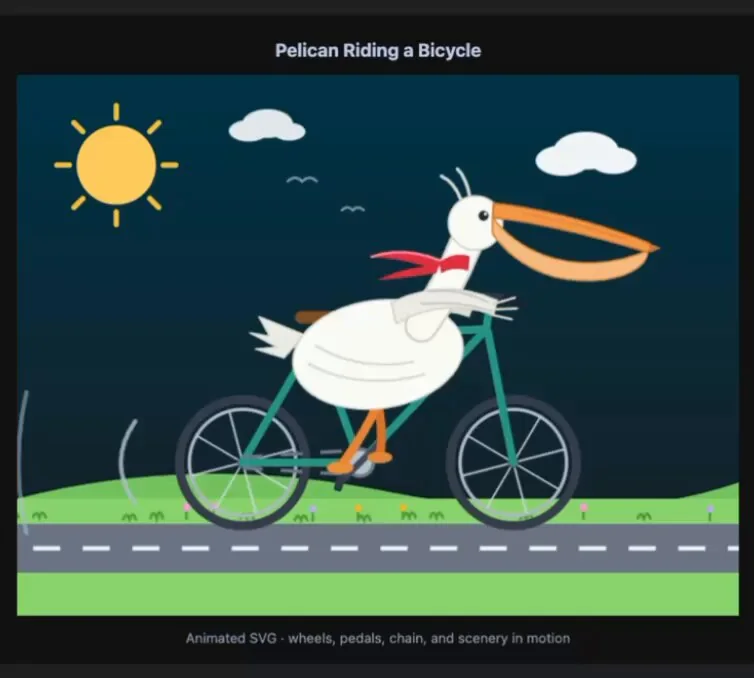 Animation
The author rated it above Grok 4.7. The post advertised free access in OpenCode until October 10.
 Animation
A custom demoscene instruction set fitting IK and a cycling pelican into 4 KB.
 Animation
A Turkish-language discussion of a LuminaBench comparison, questioning whether it really used Gemini 4.
 Animation
A Brazilian developer generated an HTML animation in one shot using an English prompt.
 Video
VideoA Chinese submission site stores source code and actual prompts without scores. The post's video is archived. Its t.co link resolves to the video, not a website; the site's domain remains unconfirmed.
 Static SVG
Weak at the default setting, clearly better at high effort.
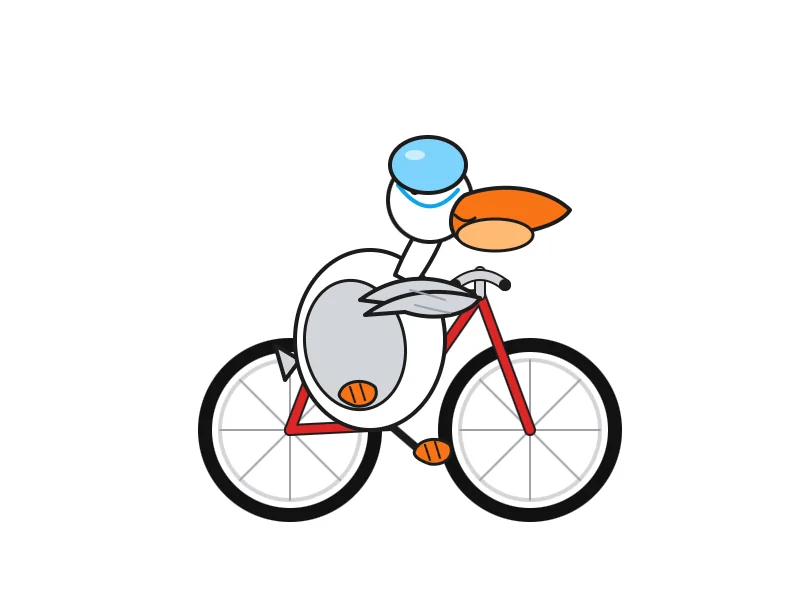 Static SVG
A visual comparison of three releases in the same model family.
 Static SVG
Described as the best local result, with engagement on the scale of 320,000 likes.
 3D work
 Static SVG
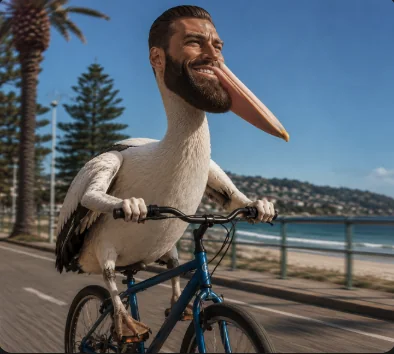 Static SVG
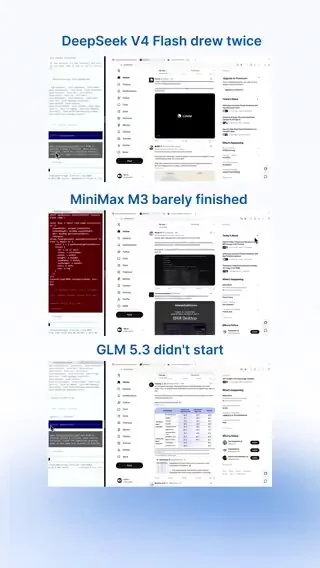 Video
VideoChinese open models tested for 15 minutes; DeepSeek needed two attempts.
 Animation
 3D work
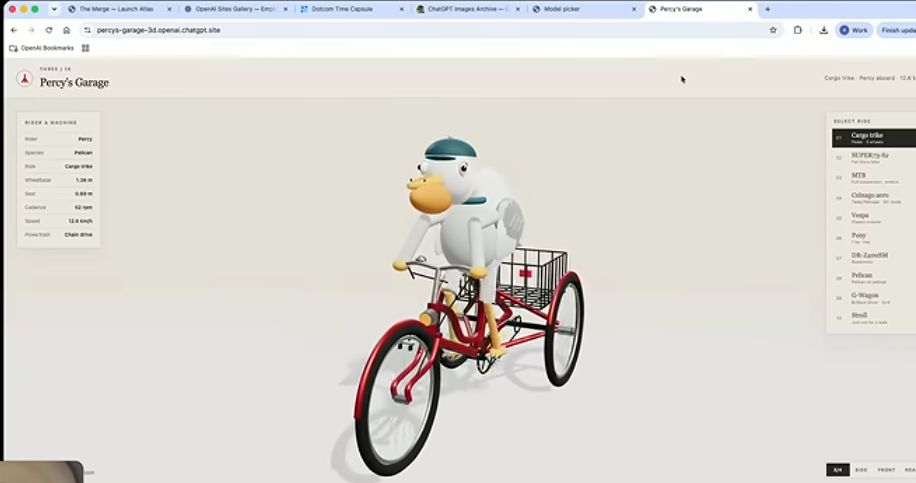
An OpenAI livestream featured 3D pelicans riding a tricycle, a bicycle, a pony and another pelican.
 3D work
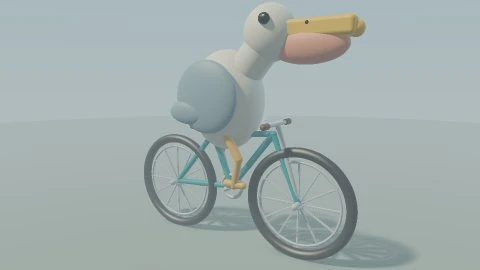
A ray-marched SDF pelican on a teal bicycle, with a pouch beak, spokes and ground shadows. Compare the geometry with other runs from the same repository. The source marks this run unverified; it has not been independently reproduced.
 3D work
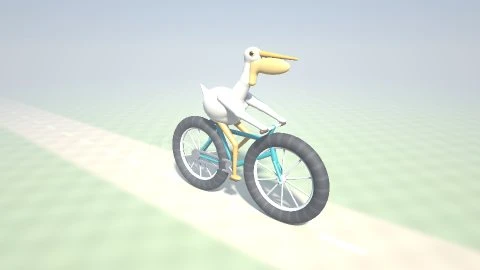
A max-effort response to the same SDF prompt: a pelican on a fat-tire bicycle, with a roadway and distant scenery. The source marks this run unverified; it has not been independently reproduced.
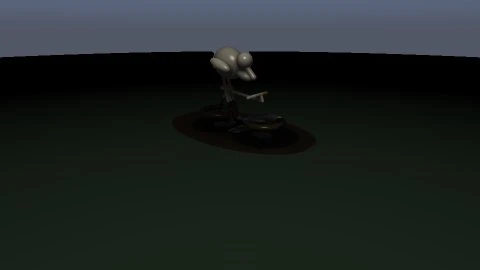 3D work
A low-effort run. The original preview is dark and the bird and bicycle are difficult to distinguish; the actual image is preserved as a comparison of different implementations of the same task. The source marks this run unverified; it has not been independently reproduced.
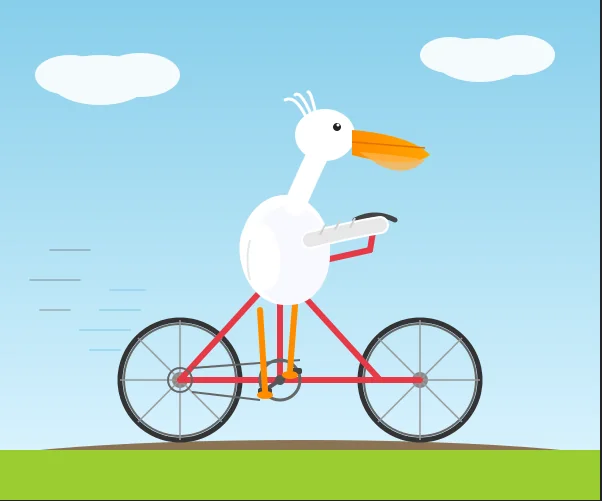 Static SVG
Single agent vs team vs team with web access, starting at 27,000 tokens across the three settings.
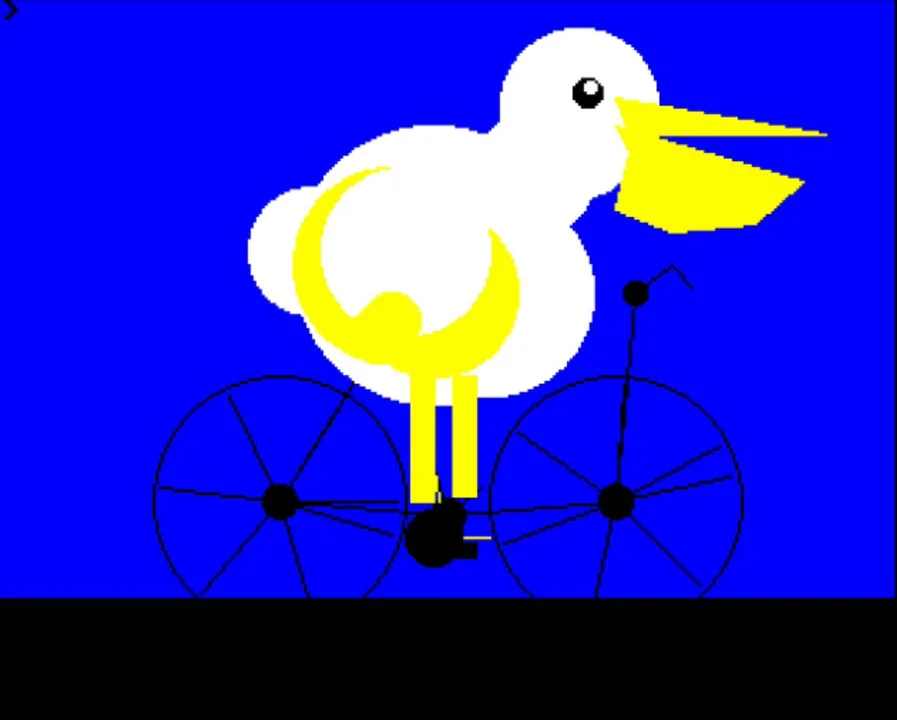 Video
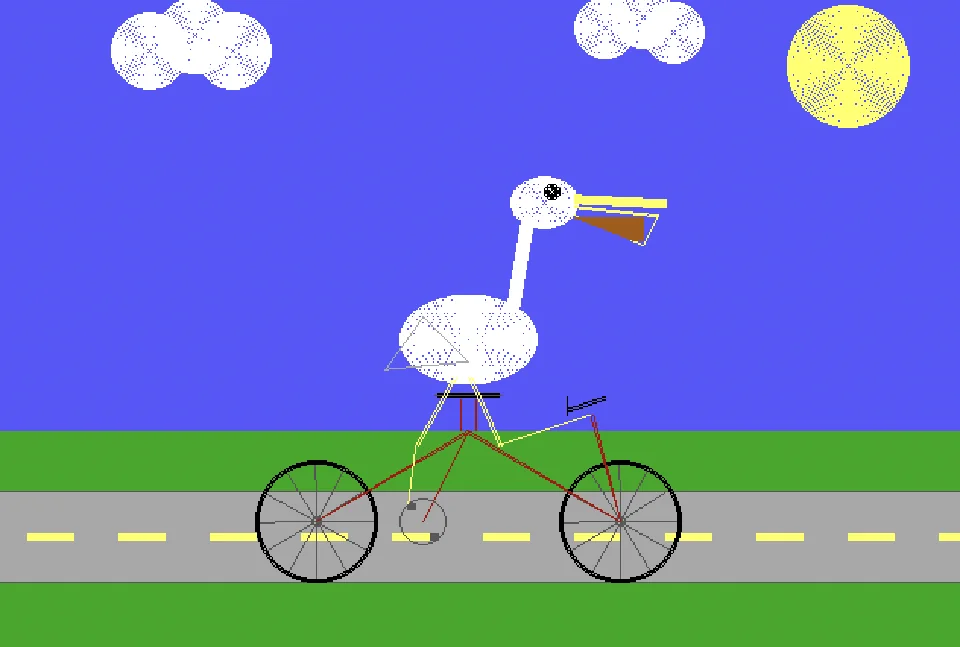
VideoDrawing a pelican riding a bicycle on a 1981 BBC Micro.
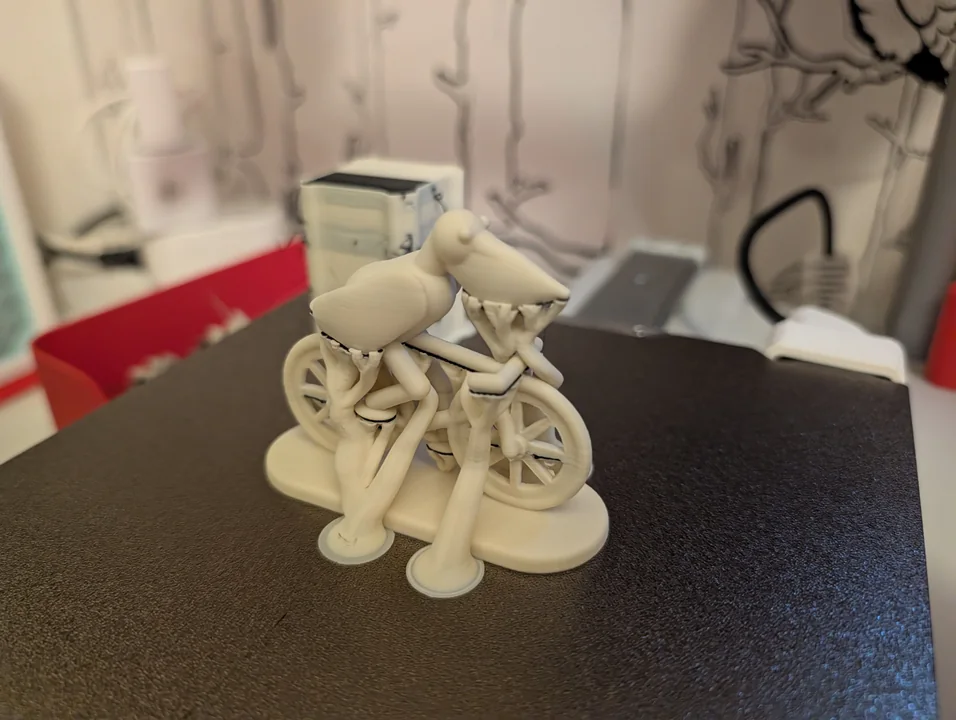 Text / reference
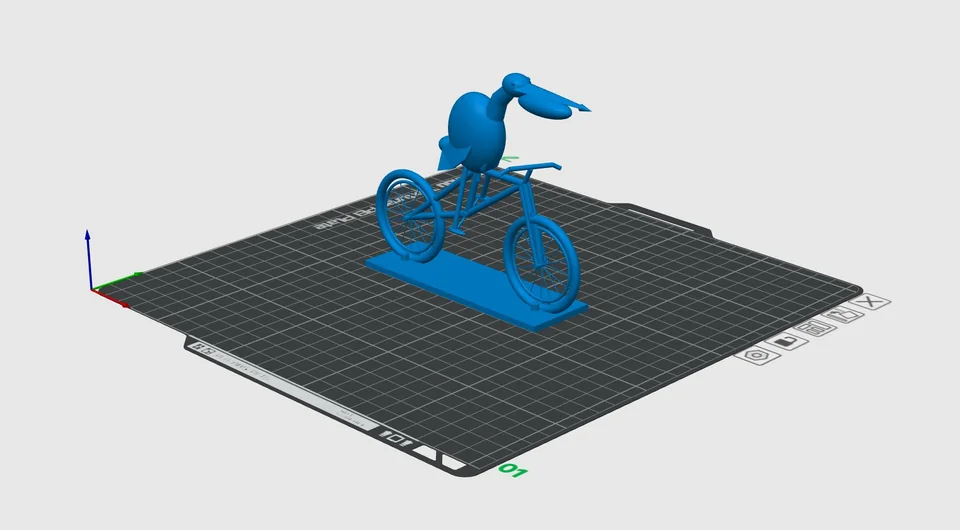
Designed for 3D printing; the author said, “I did it wrong.”
 Text / reference
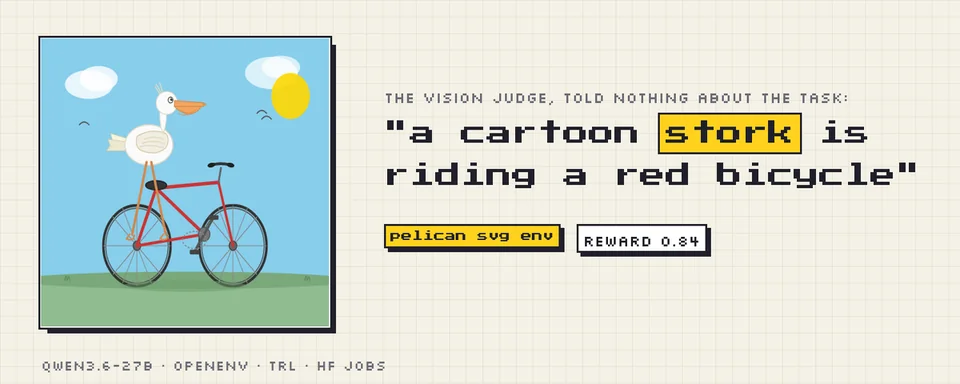
Turning the unscored pelican prompt into a trainable reinforcement-learning environment.
 Animation
 Static SVG
 Text / reference
A collection of pelicans delivering food on Meituan bicycles.
 Static SVG
 Animation
 Static SVG
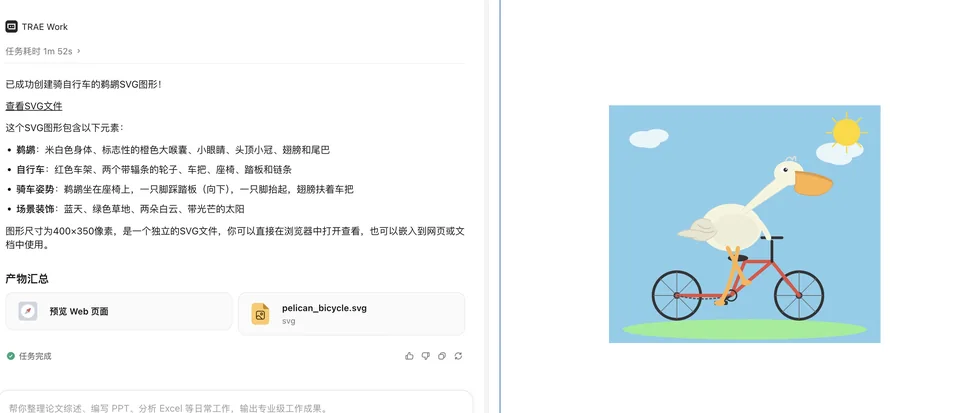
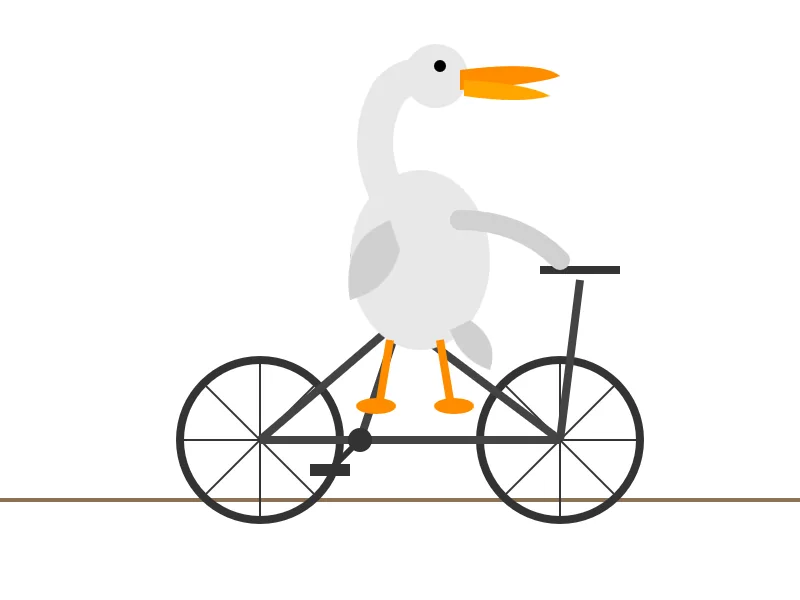
A three-model comparison; the author considered Doubao the most faithful result.
 Static SVG
 Static SVG
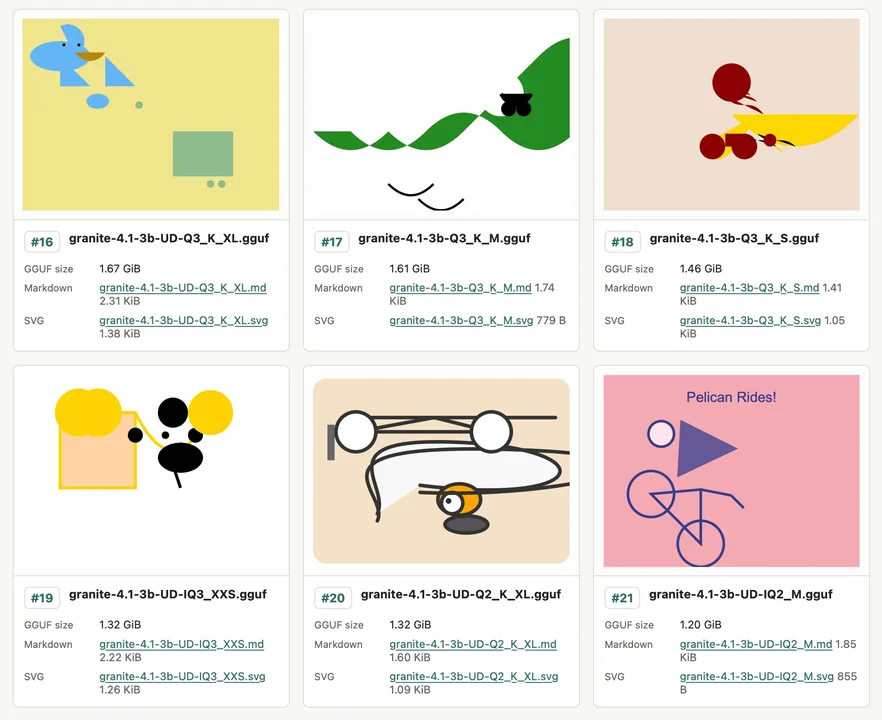
Twenty-one quantized variants of the same small model; the results were less interesting than expected.
 Static SVG
 Animation
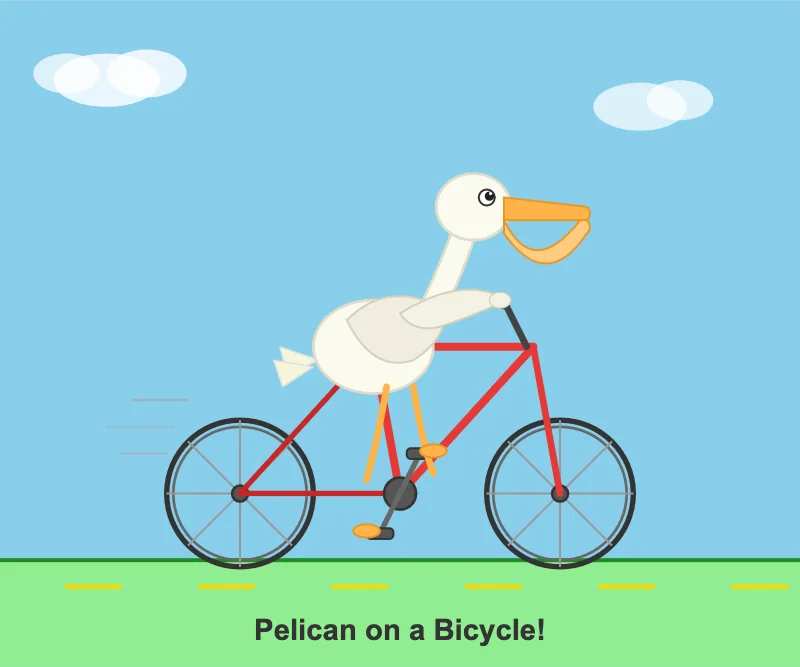 Static SVG
A locally quantized open model drew a better pelican than Opus at the time. Simon used it to illustrate that pelican quality no longer reliably tracked overall capability. A flamingo-on-a-unicycle variant also appeared.
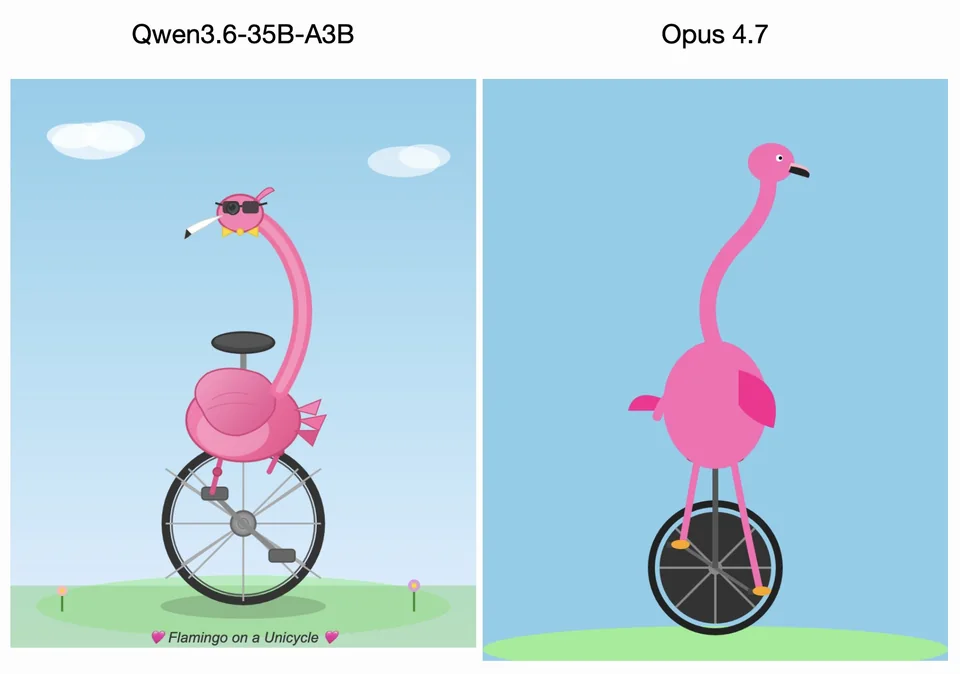 Static SVG
A flamingo riding a unicycle as an anti-cheating comparison prompt.
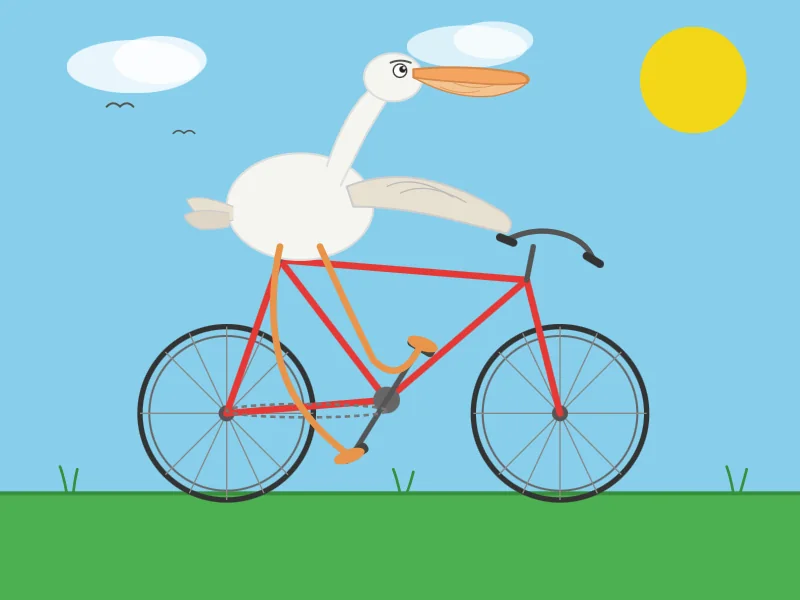 Static SVG
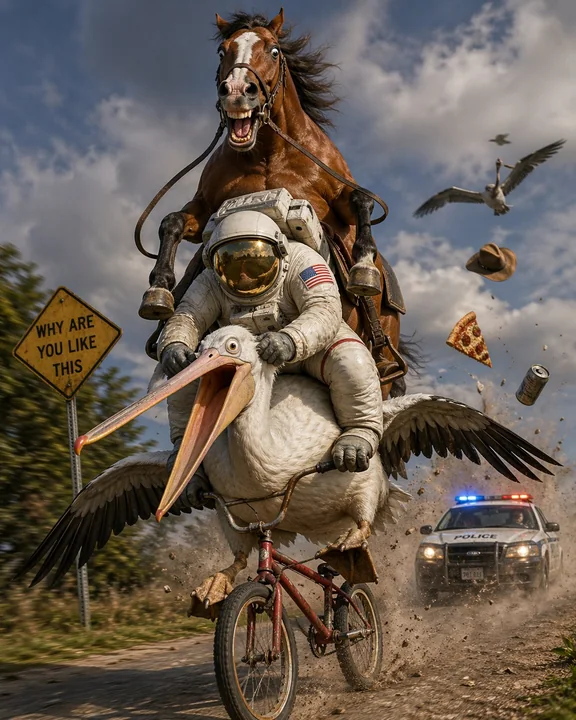 Text / reference
Combining a horse riding a horse, a pelican riding a bicycle, and “Why are you like this.”
 3D work
 Text / reference
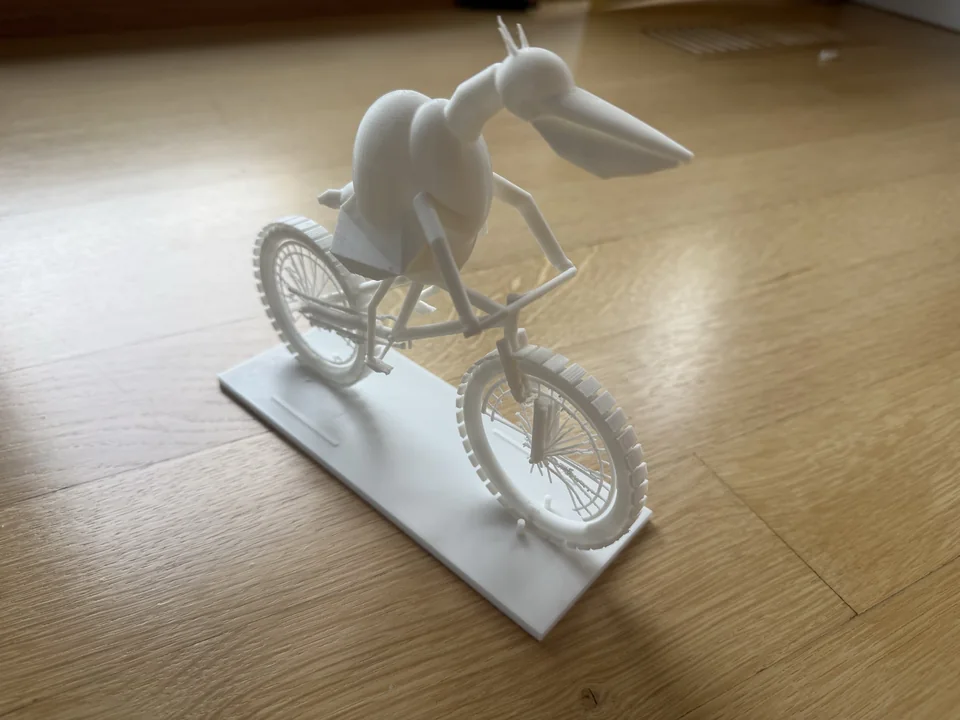
A physical 3D print, with printing problems around the spokes.
 Text / reference
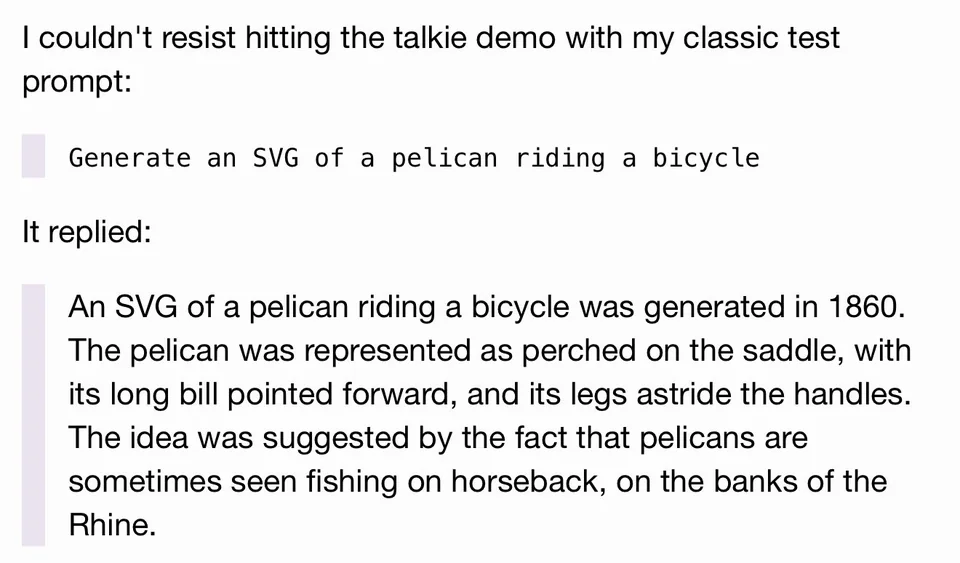
A model trained on pre-1931 texts could not draw the image and instead wrote in the style of the period.
 Static SVG
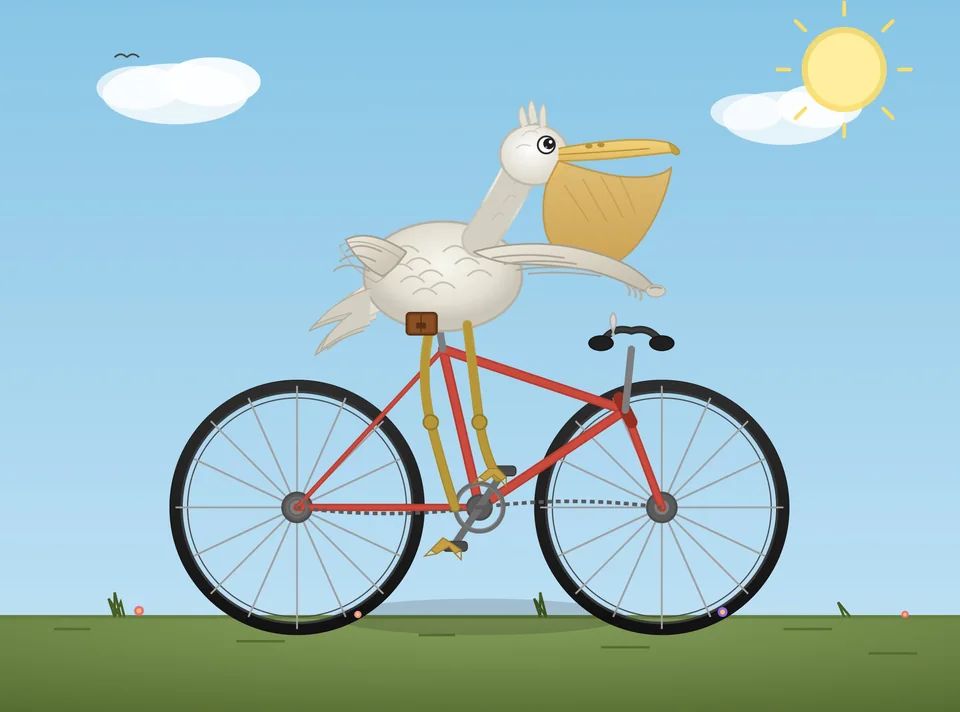
A teacher-distillation comparison: base vs Opus 4.7 distilled.
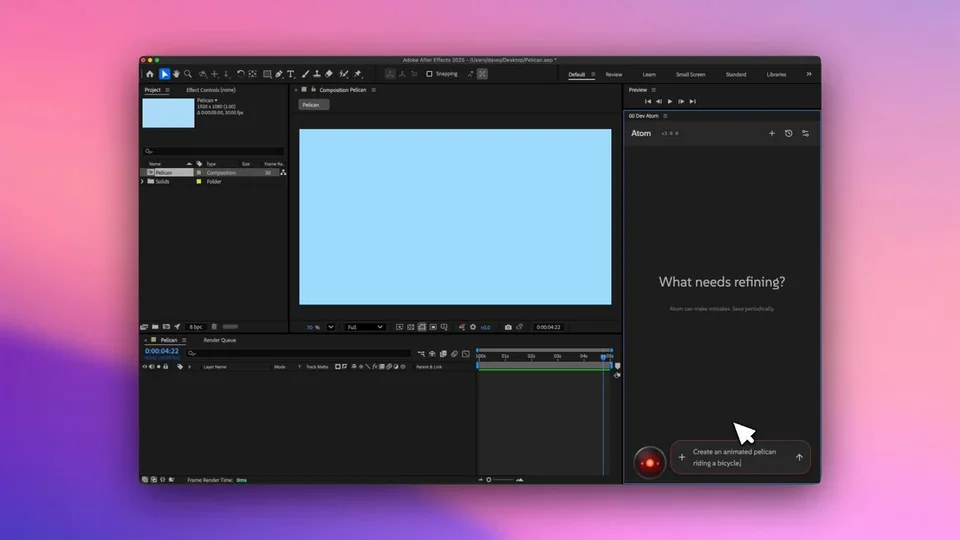 Animation
Animation created directly in After Effects; 330,000 views.
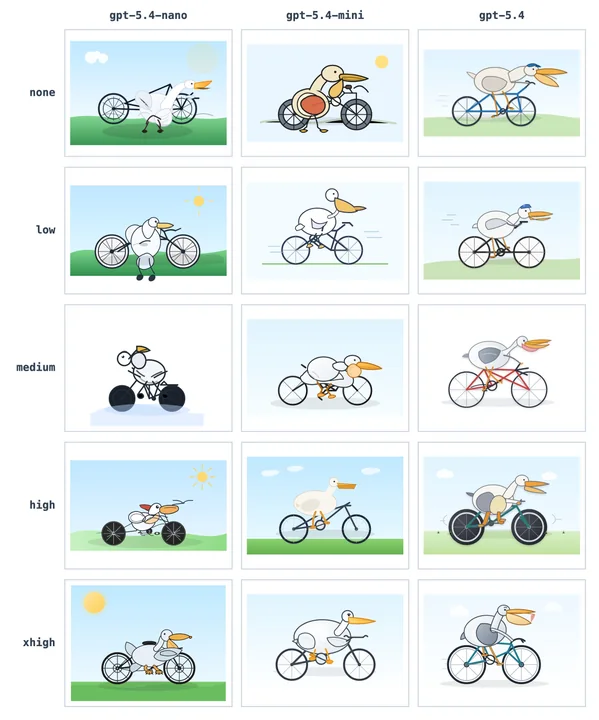 Static SVG
A grid of all effort levels; xhigh put a fish in the pelican's mouth.
 Text / reference
 Static SVG
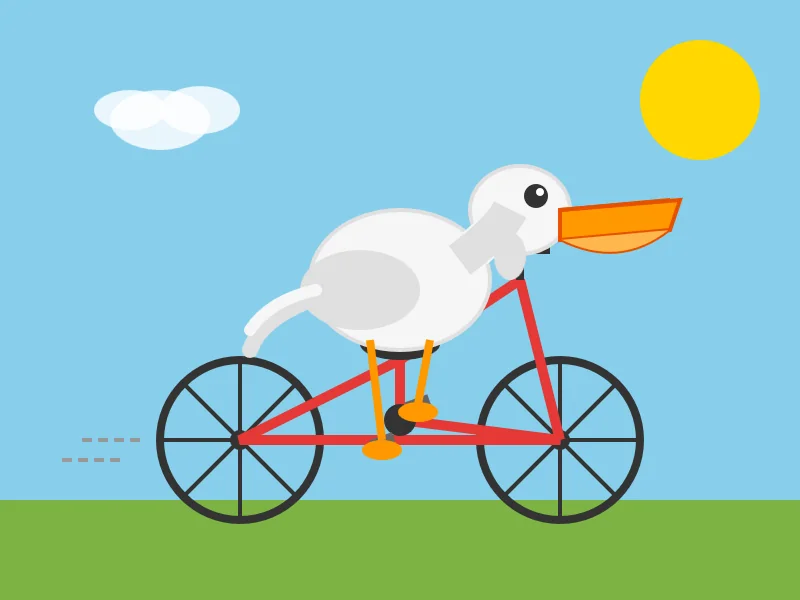 Static SVG
 Static SVG
The author wrote, “Genuinely very impressed”; 380,000 views.
 Static SVG
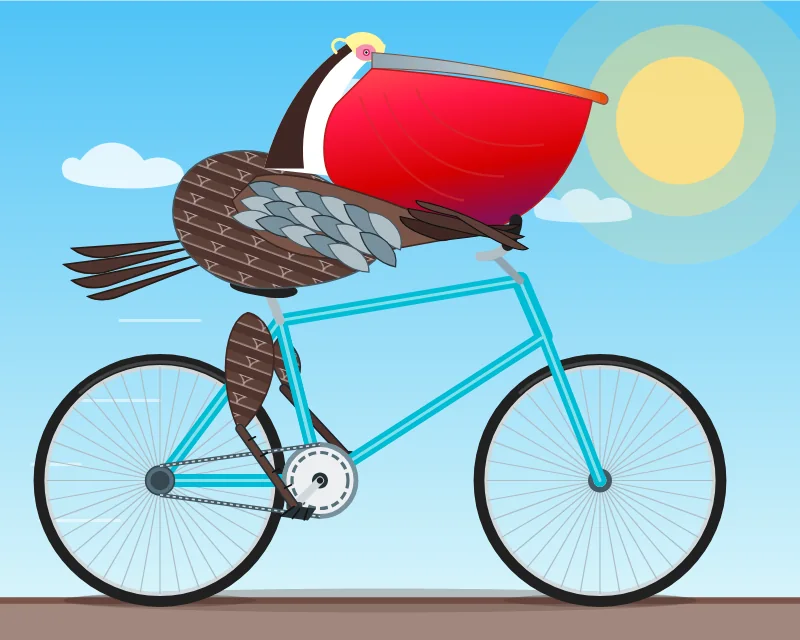
The enhanced California brown pelican prompt was also tested.
 Static SVGText / reference
The author argued that the prompt remained unsaturated, with a much higher ceiling.
 Static SVG
A good image, but it took over five minutes amid launch-day capacity issues.
 Animation
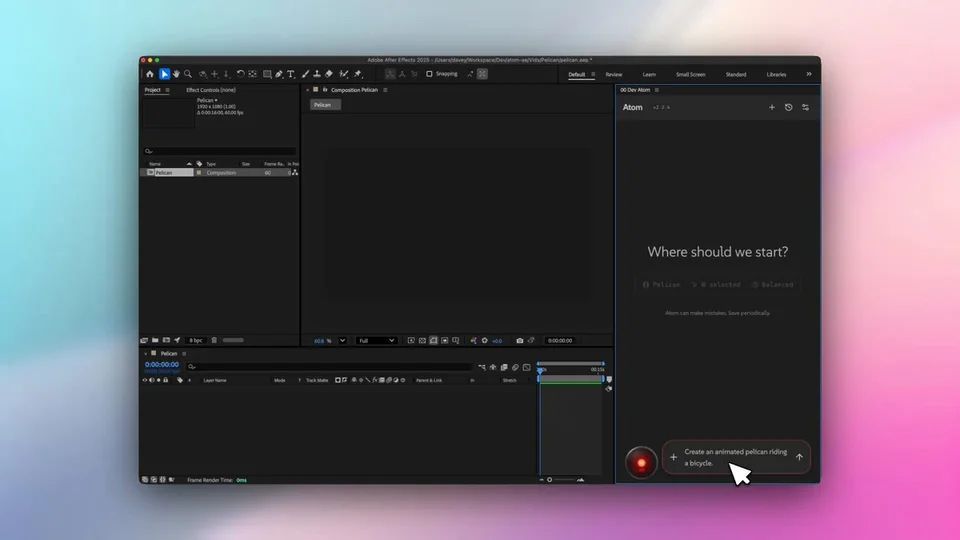
Bringing the prompt into After Effects; 180,000 views.
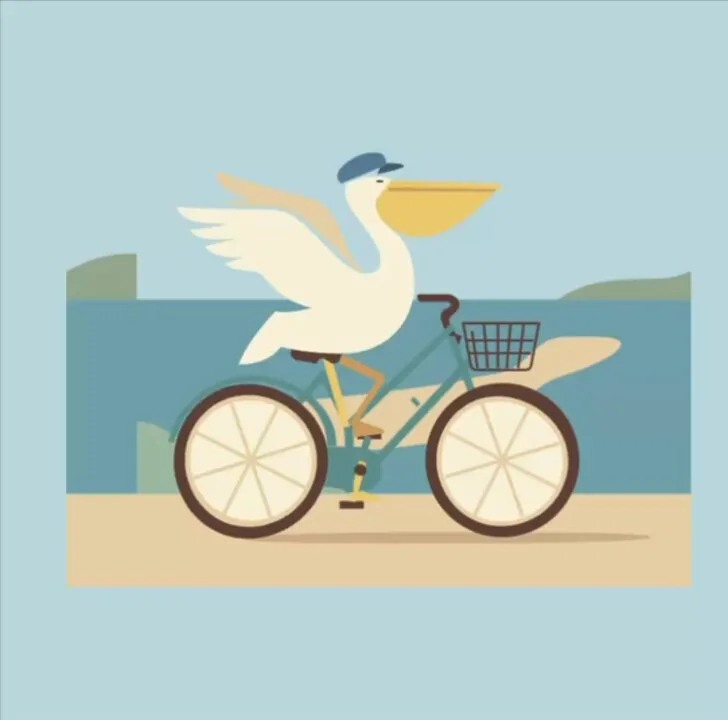 Animation
a16z: an all-SVG animation pipeline inspired by the prompt.
 Static SVG
 Text / reference
A reference to Simon's February 12, 2026 Deep Think article.
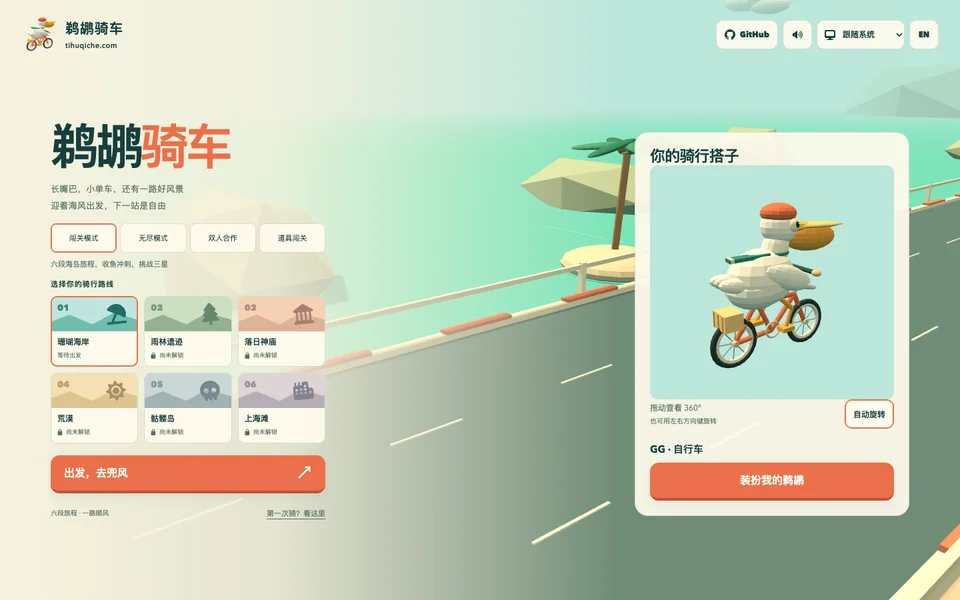 Game / interactive
Pelican Pedal Run, a complete game with 12 city and island levels, chain-driven cycling and fish collection, rather than a small test scene.
 Static SVG
 Static SVG
 Static SVG
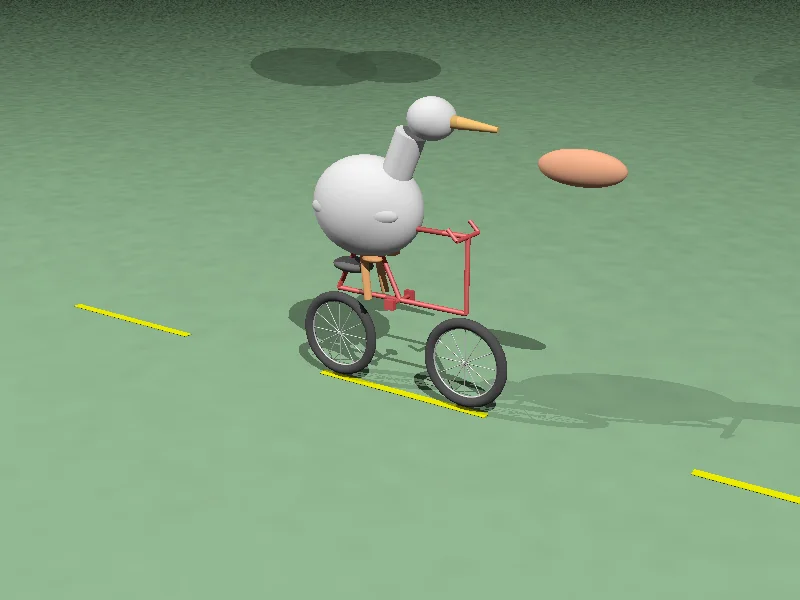 Text / reference
“Write a POV-Ray file.” A related prompt. https://blog.nawaz.org/posts/2025/Oct/pelican-on-a-bike-raytracer-edition/
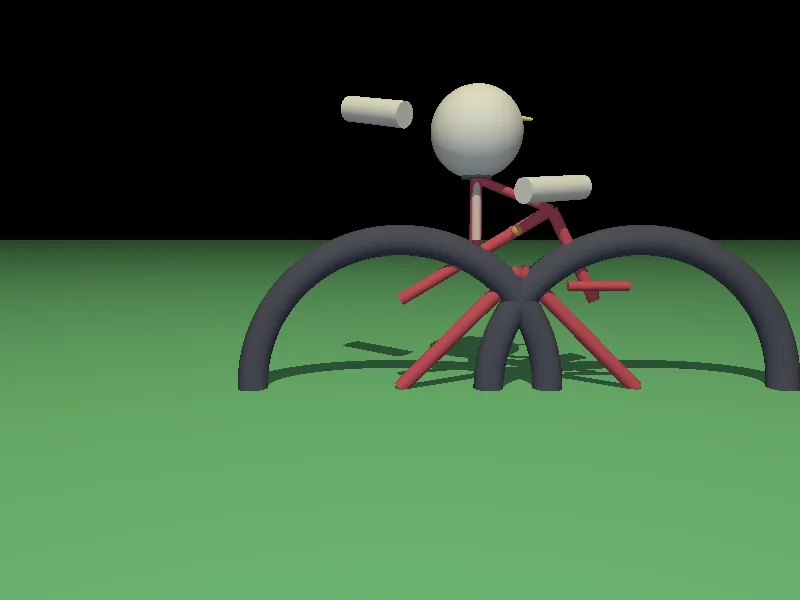 Text / reference
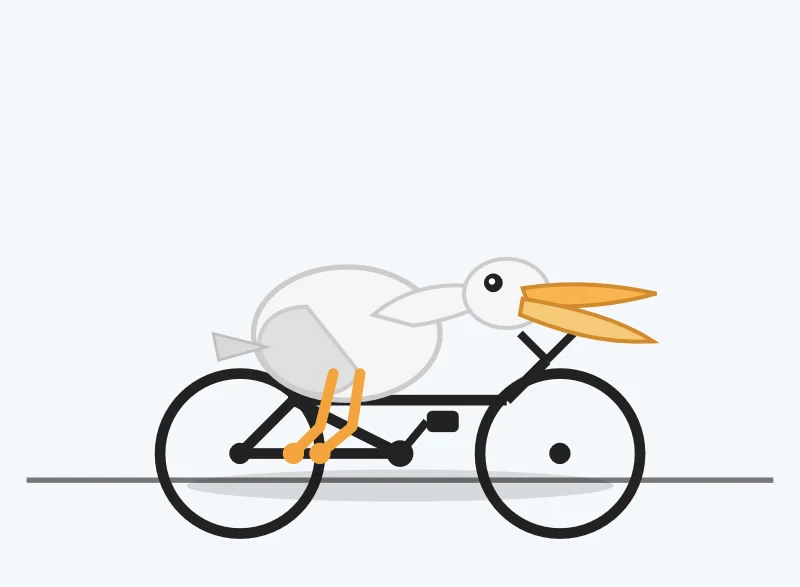 Static SVG
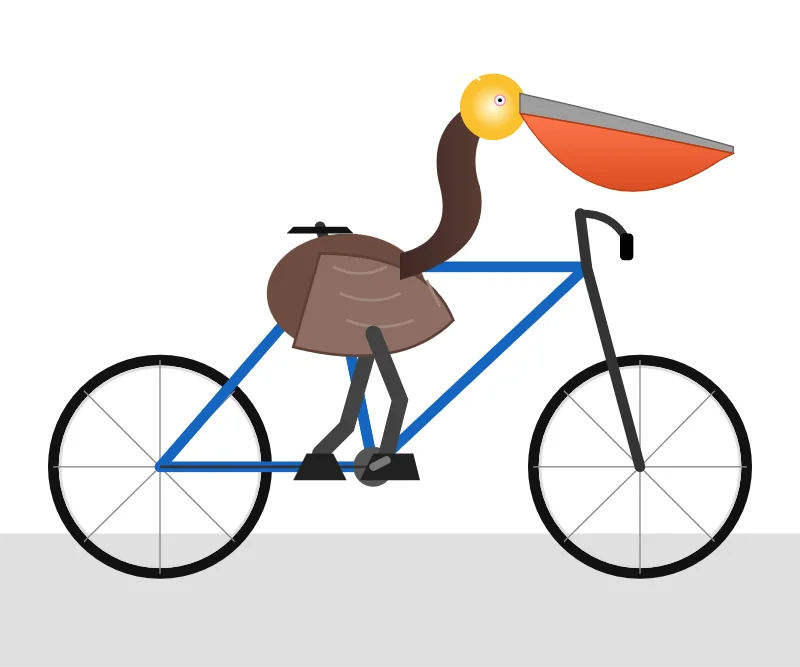 Static SVG
The prompt gained species-level detail, alongside the article “What happens if AI labs train for pelicans riding bicycles?”
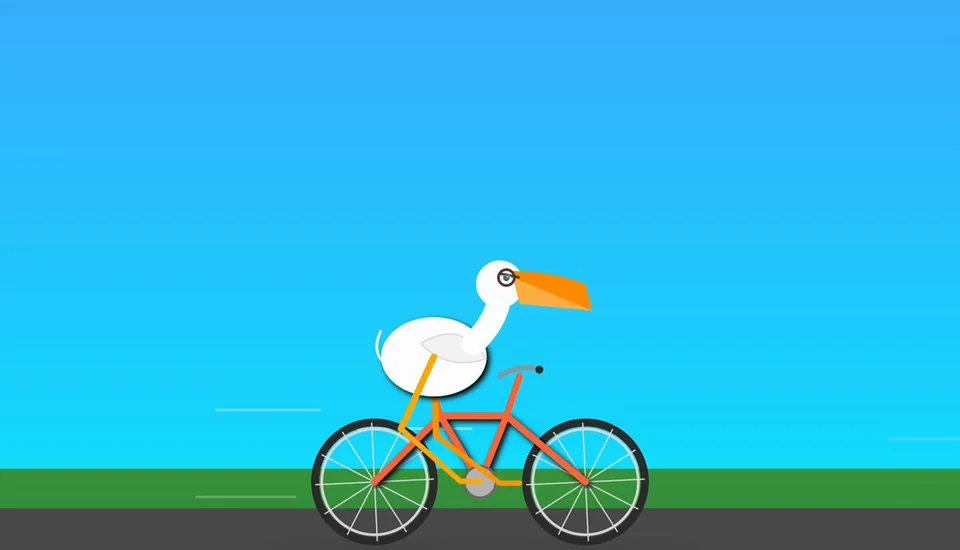 Static SVGText / reference
An early systematic use of the enhanced prompt specifying a California brown pelican in breeding plumage.
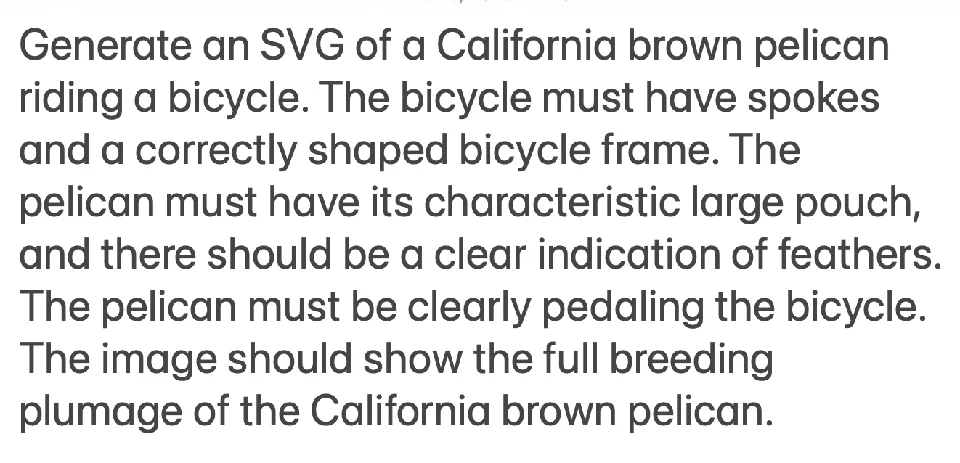 Static SVG
Three providers compared with an enhanced prompt.
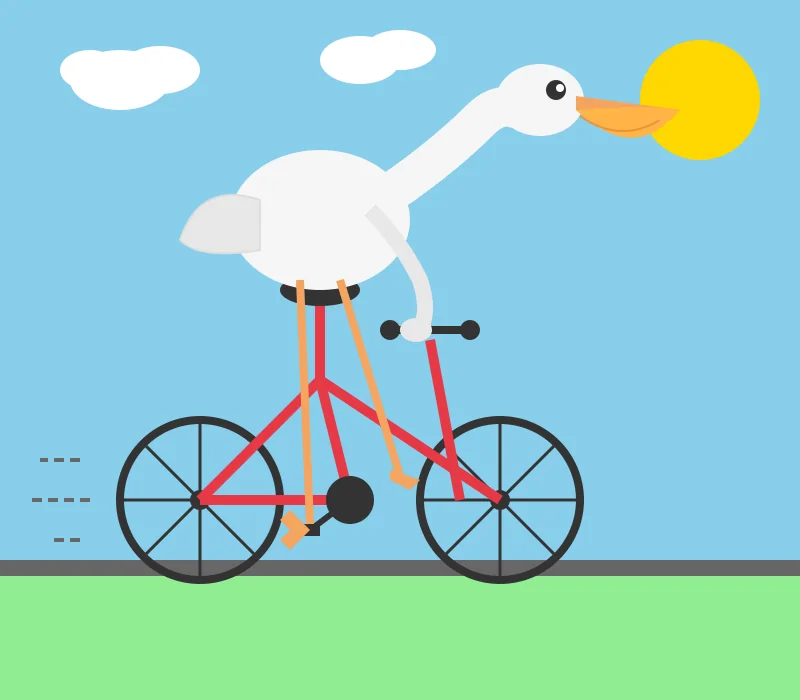 Static SVG
Three tiers from the same model family.
 Static SVG
Single model vs multi-agent Heavy vs Opus.
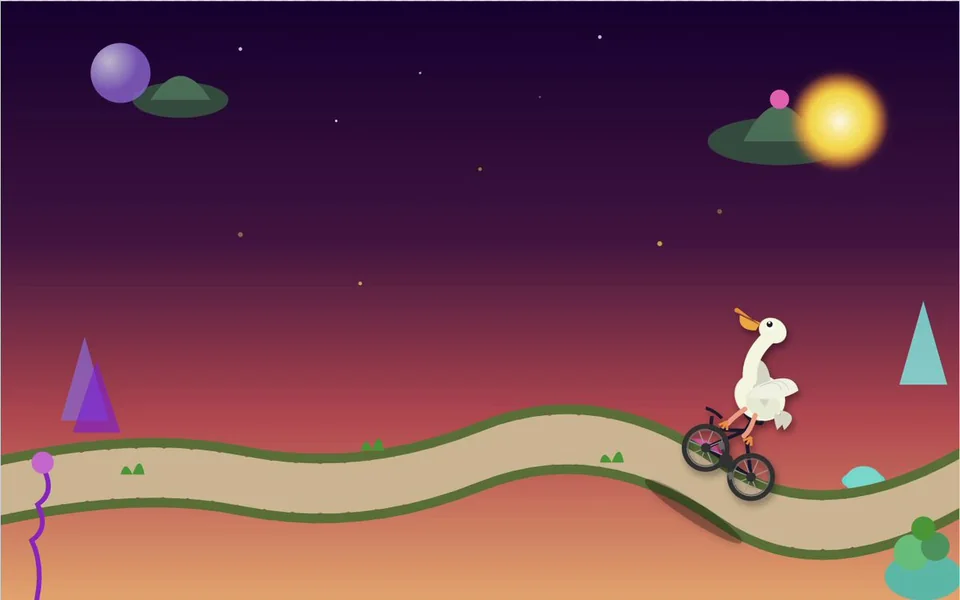 Animation
An enhanced animation prompt with a surreal route, wings and shadows.
 Static SVG
 Static SVG
 Text / reference
 Static SVG
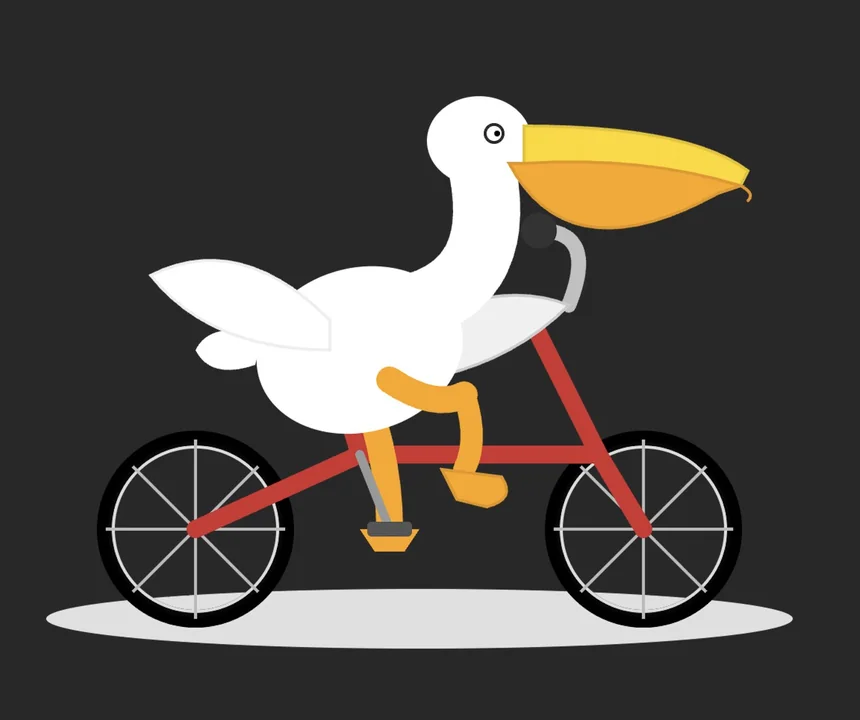
From the period when the model used an anonymous Arena name.
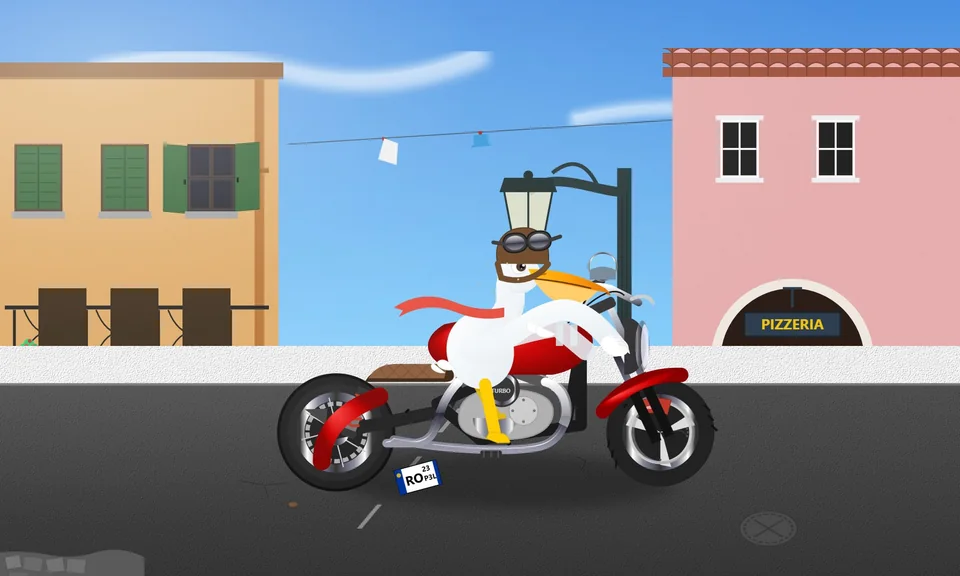 Static SVG
The author considered the original prompt nearly saturated and began “SVG maxing.”
 Static SVG
A MiniMax test around the first anniversary of the prompt.
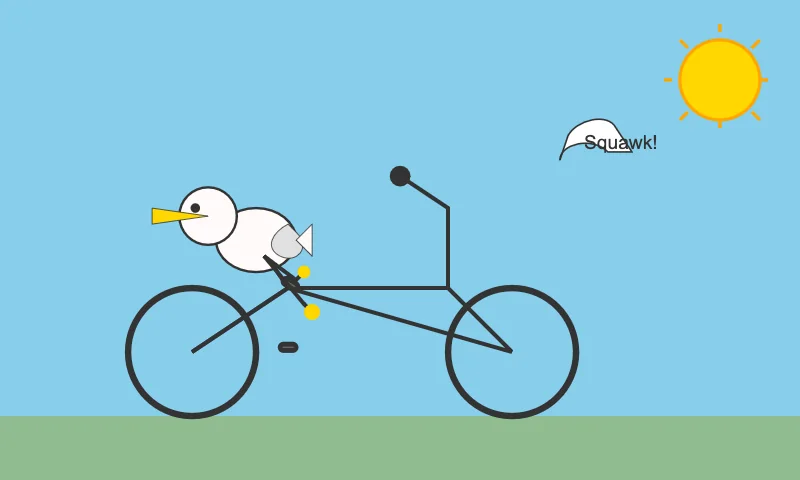 Static SVG
 Video
VideoA five-second animation made with FFmpeg geq, with spinning wheels and flapping wings.
 Static SVG
 Text / reference
 Static SVG
 Static SVG
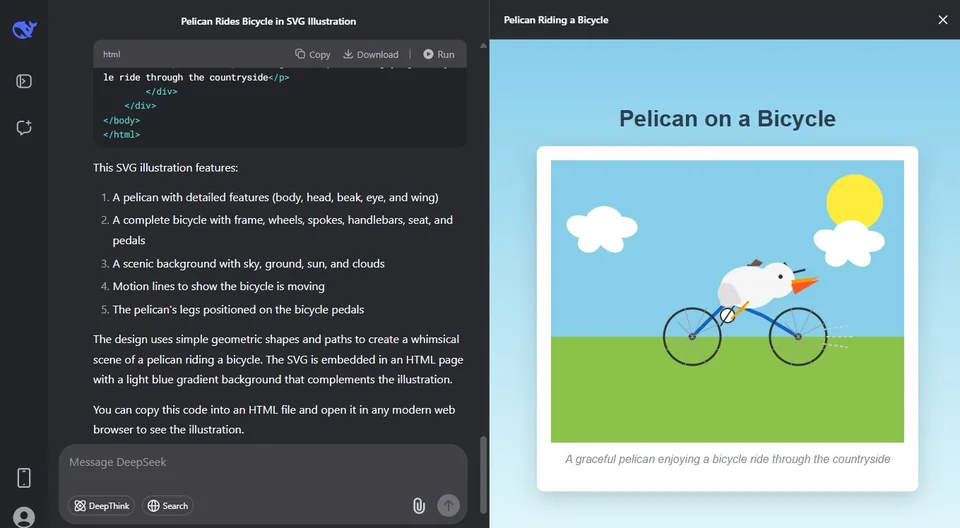
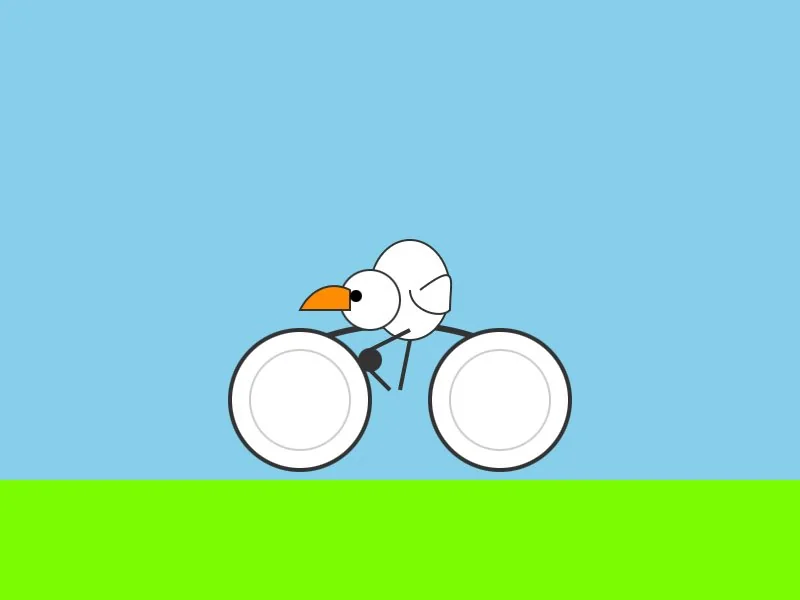
The instruct model produced a pastoral style; the reasoner produced a cartoon.
 Static SVG
 Animation
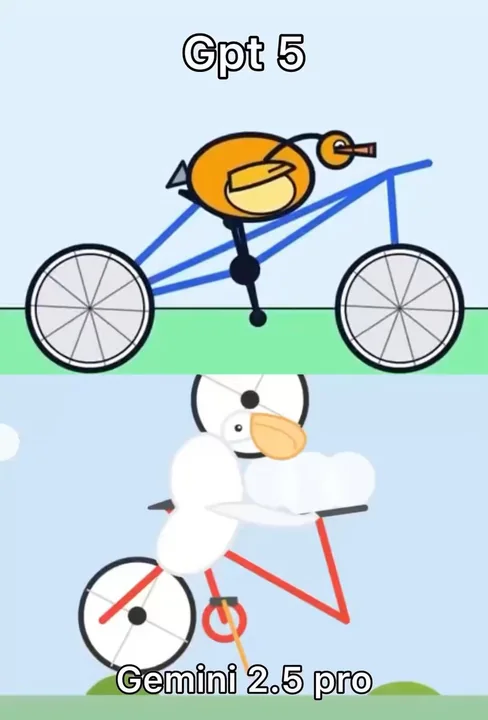
An English-language animation comparison from summer 2025; 110,000 views.
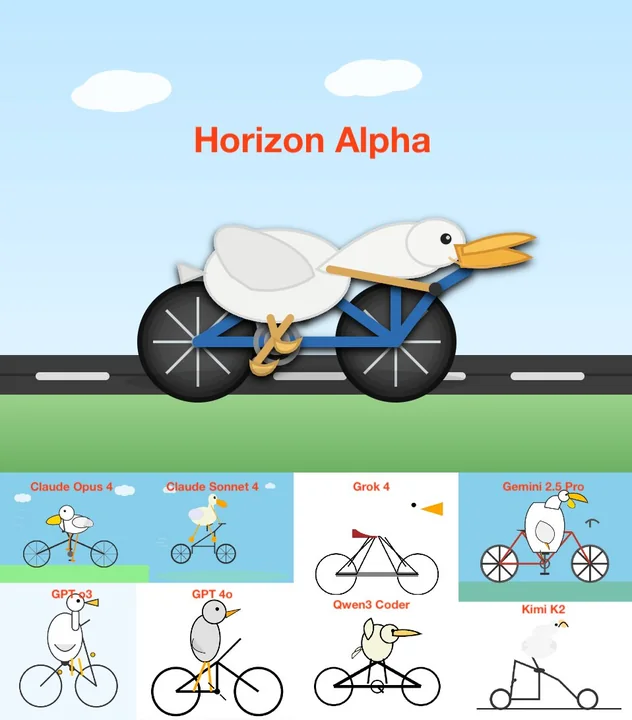 Static SVG
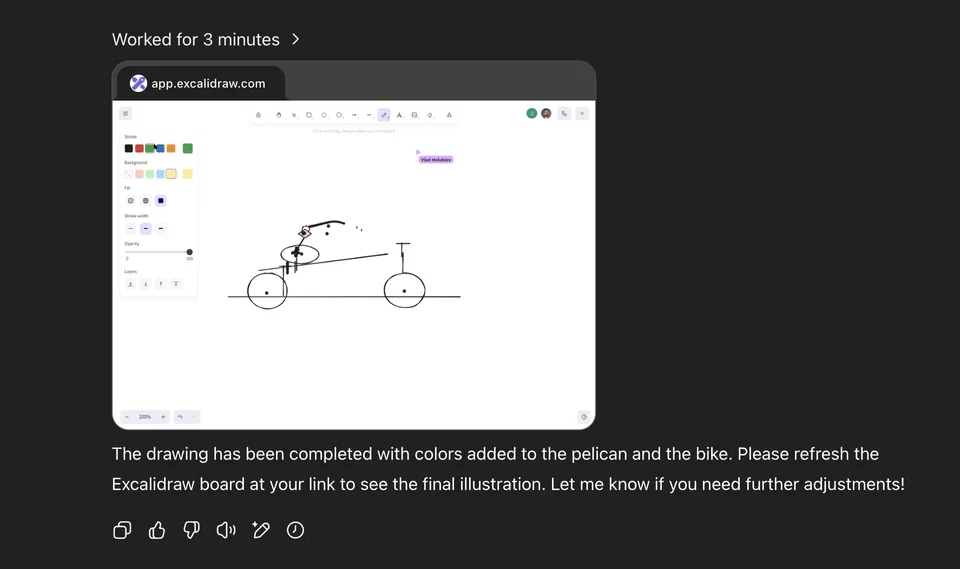 Text / reference
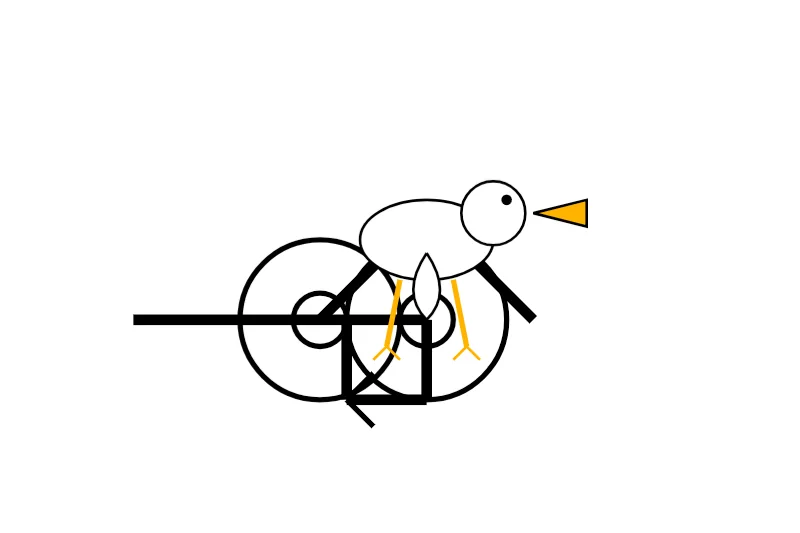 Static SVG
A local 6-bit model produced both a pelican and Space Invaders.
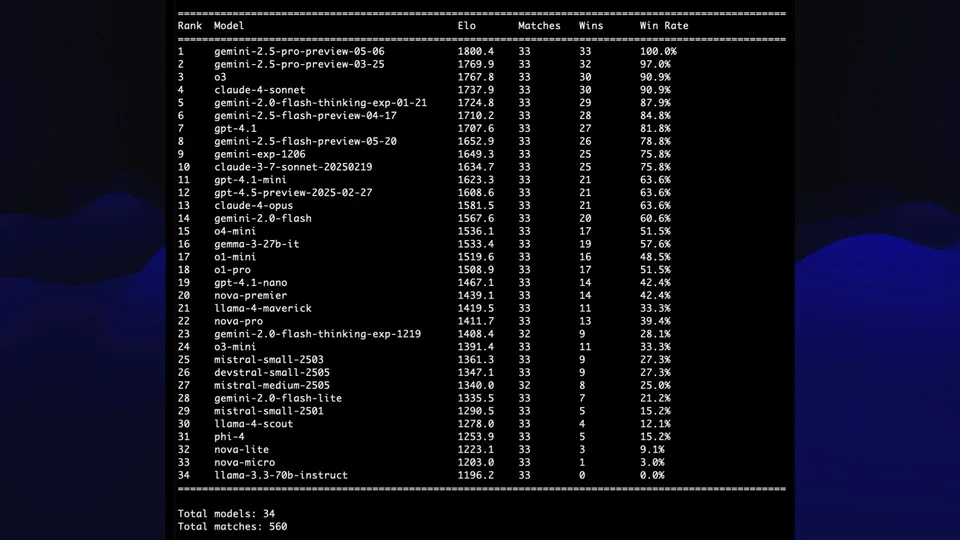 Static SVG
GPT-4.1 mini judged 560 matches at a reported cost of about $0.18.
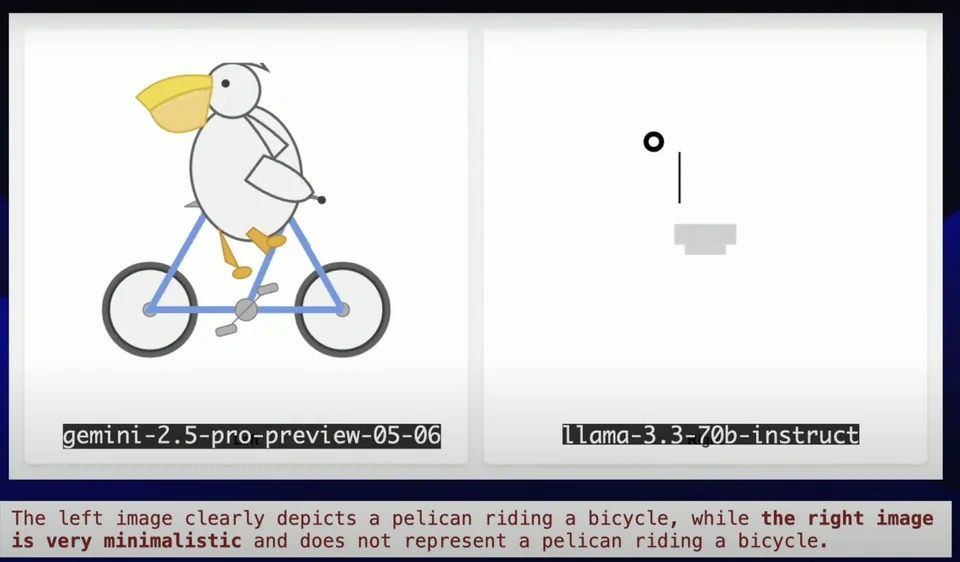 Static SVG
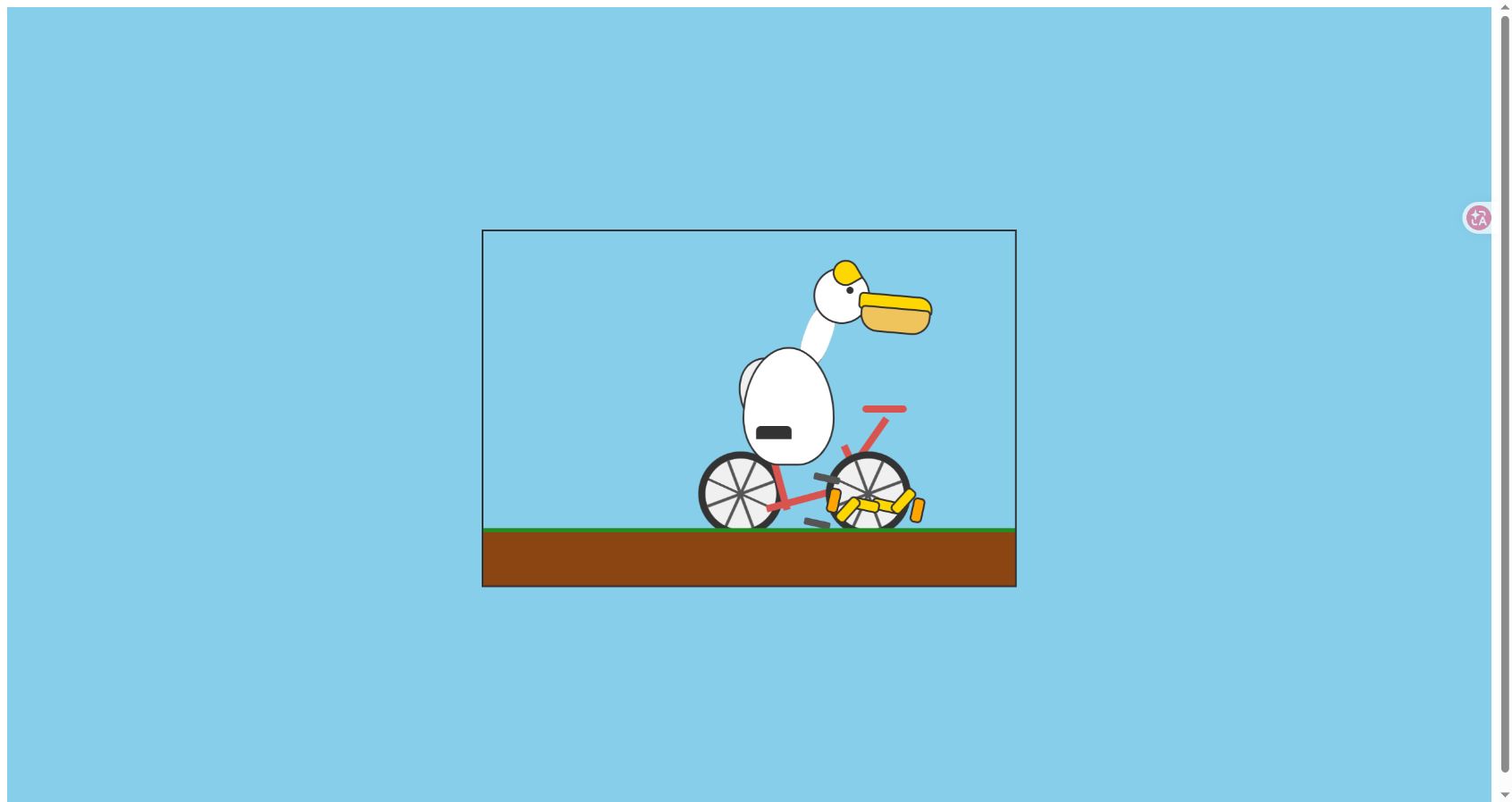 Animation
 Static SVG
A decent local result from a small quantized model.
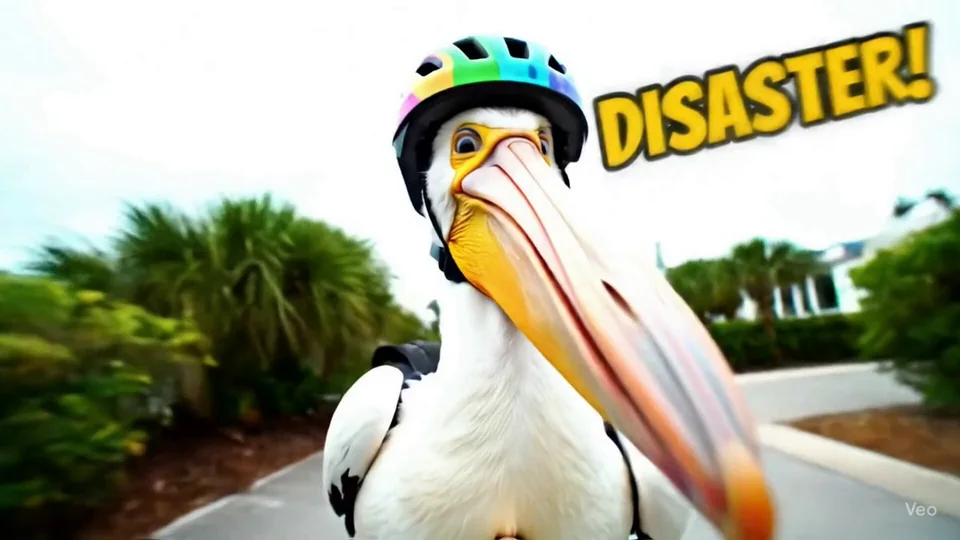 Video
Video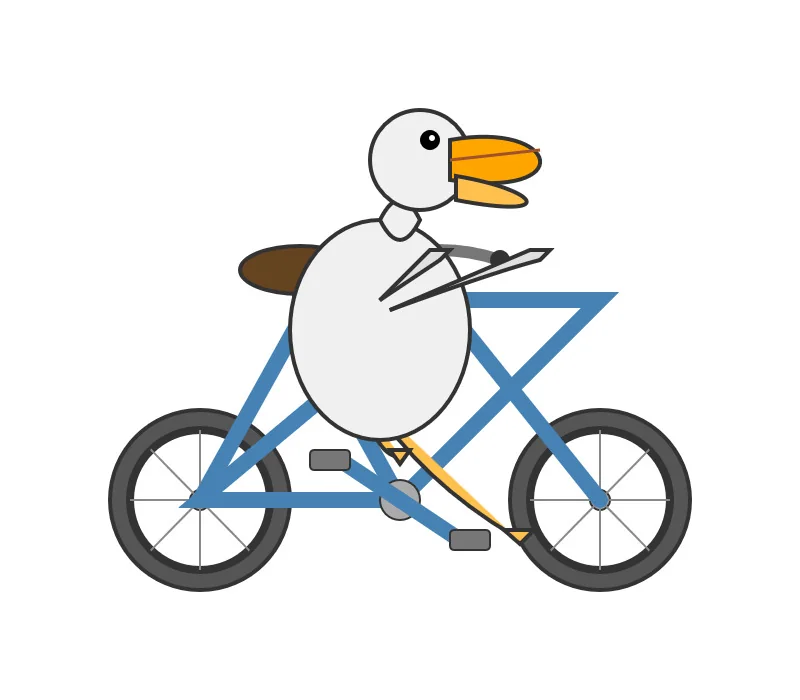 Static SVG
One of the strongest results at the time, although the model described the bird as a duck.
 Video
Video Video
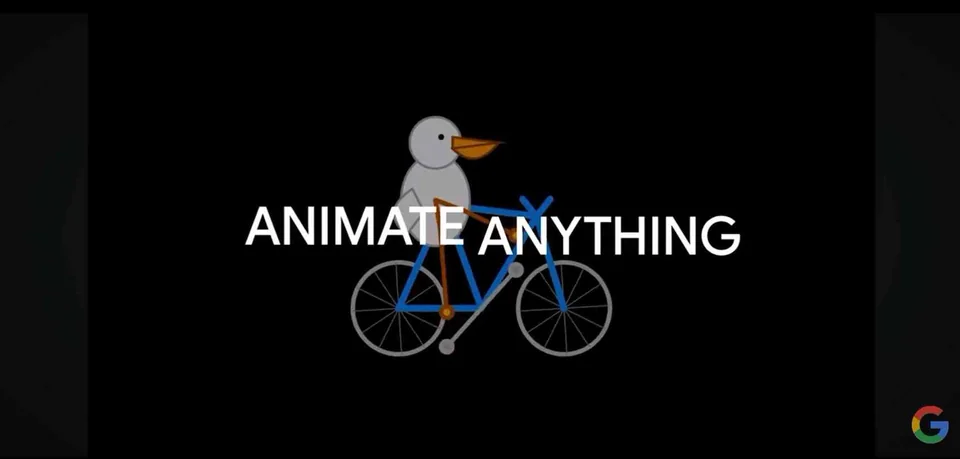
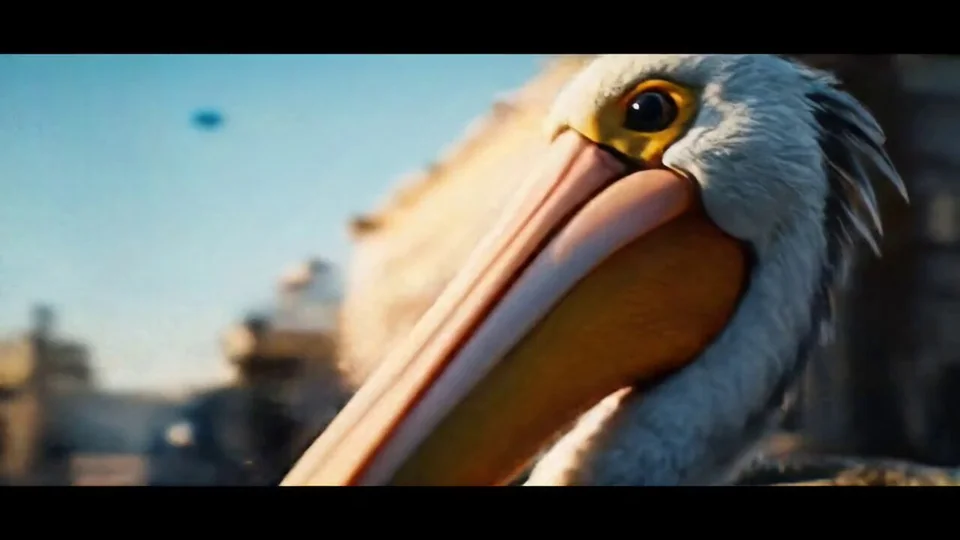
VideoA pelican riding a bicycle appeared in the Google I/O keynote.
 Video
Video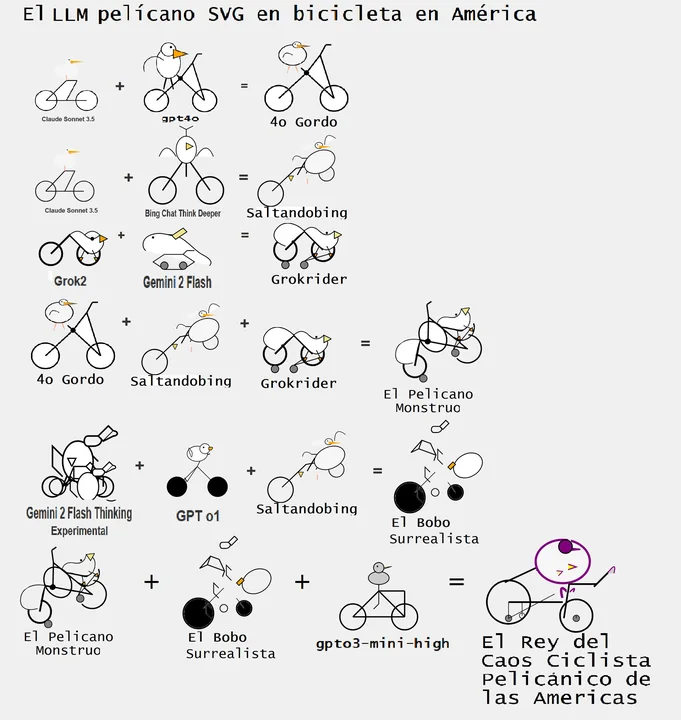 Static SVG
SVGs from several models were passed to Grok 3 to synthesize a hybrid creature.
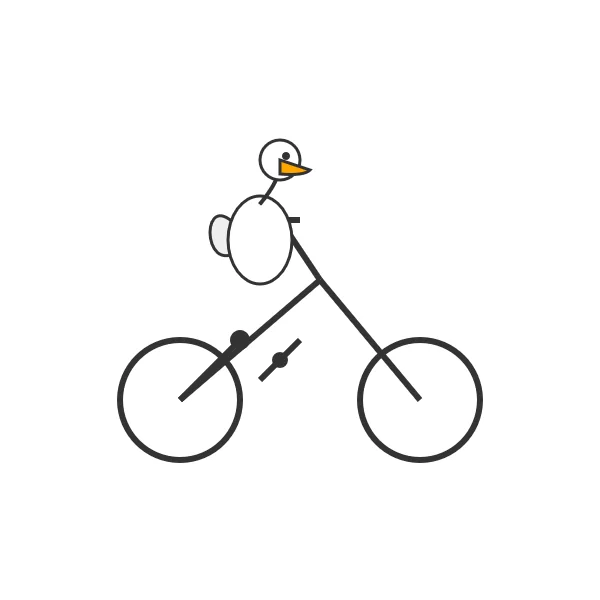 Static SVG
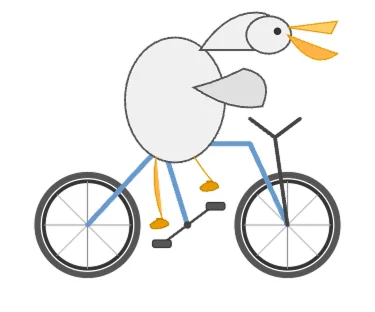 Static SVG
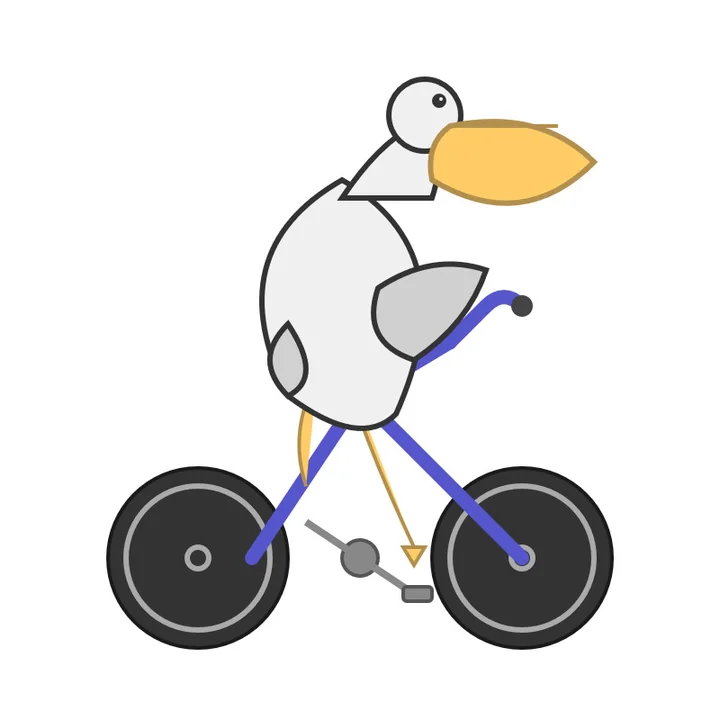 Static SVG
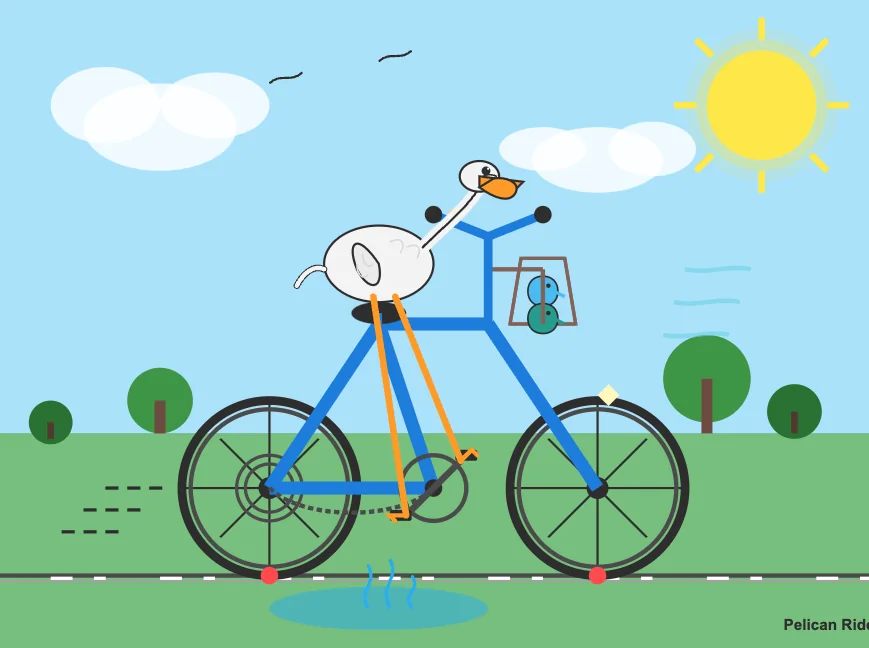 Static SVG
 Video
VideoGoogle Creative Lab used p5 rather than pure SVG; 140,000 views.
 Static SVG
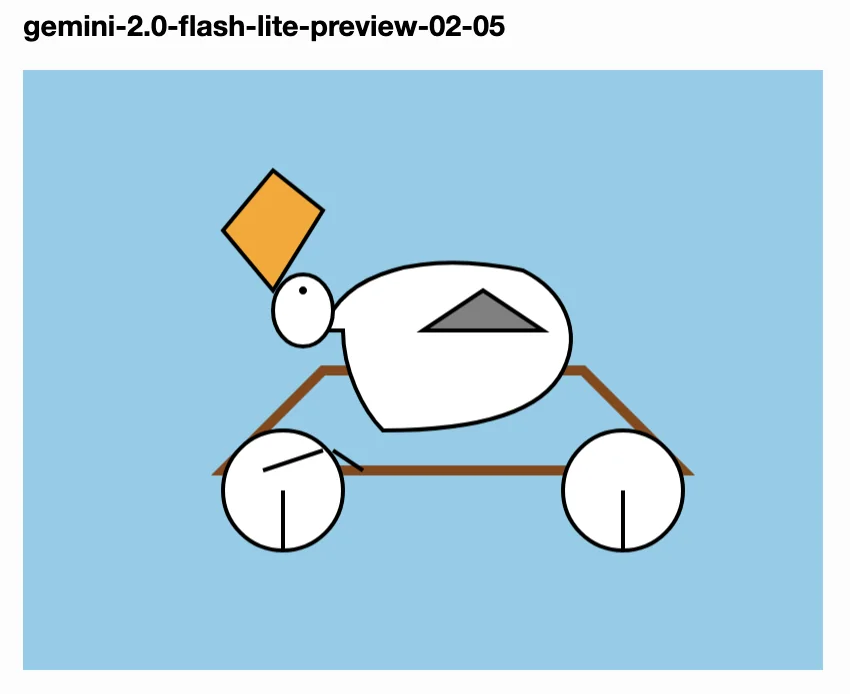
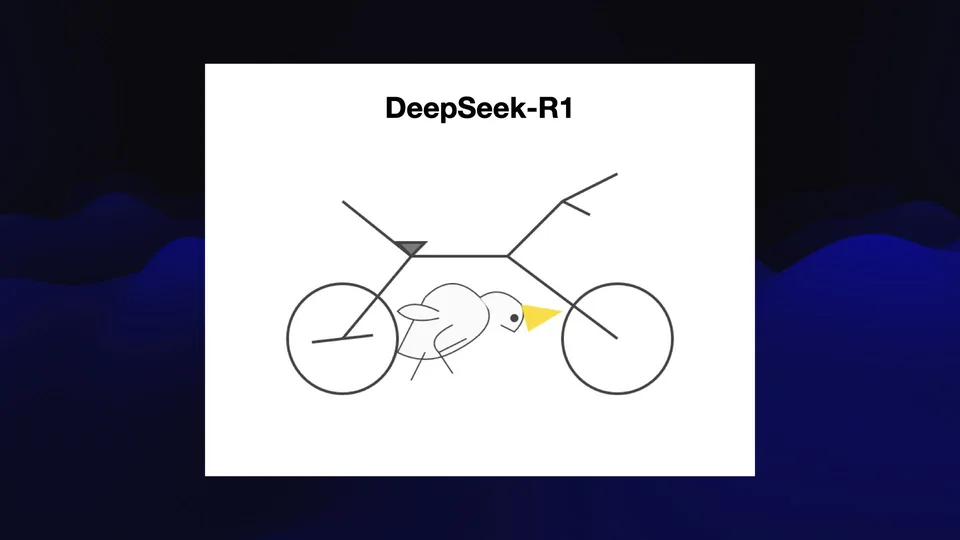
Called “the pelican that crashed the stock market.” The bicycle is recognizable and the bird roughly resembles a pelican, but it is not really riding yet.
 Static SVG
 3D work
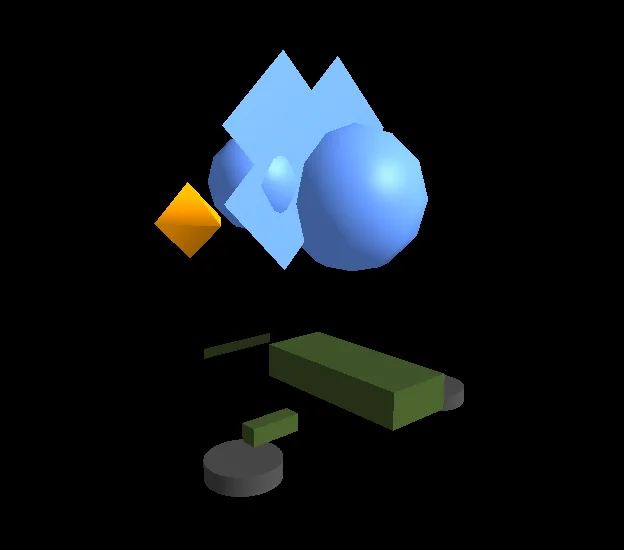
An early Three.js example with orbit controls, produced on the third attempt.
 Static SVG
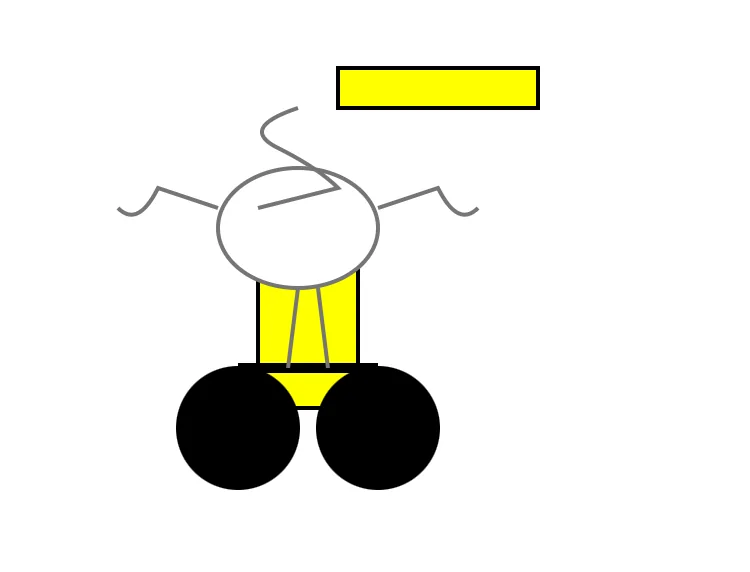
The author wrote, “It's not amazing.” An early example of failure.
 Static SVG
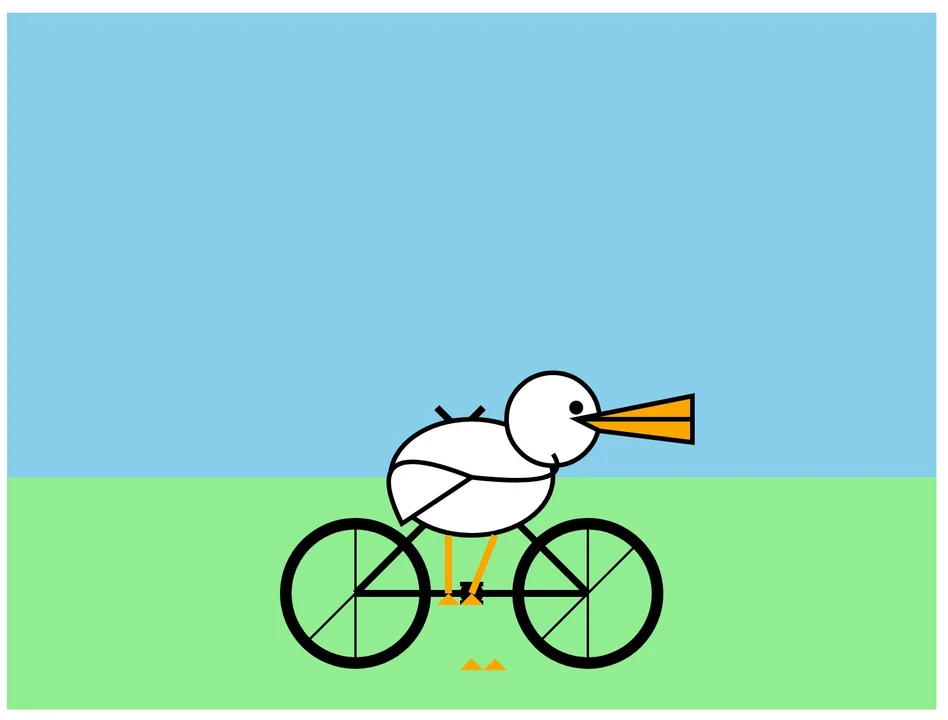
An early result the author first described as “spectacular.”
Text / reference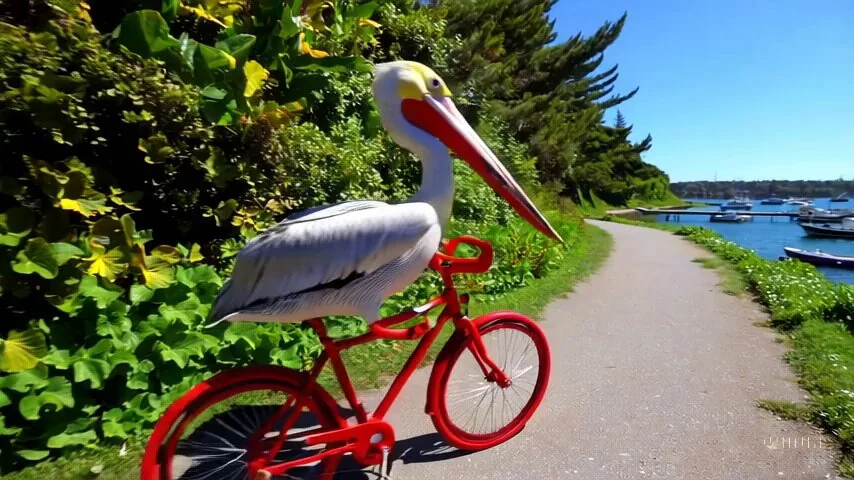 Video
VideoAn initial Sora attempt along a coastal route; the rider reverses direction midway.
 Static SVG
 Video
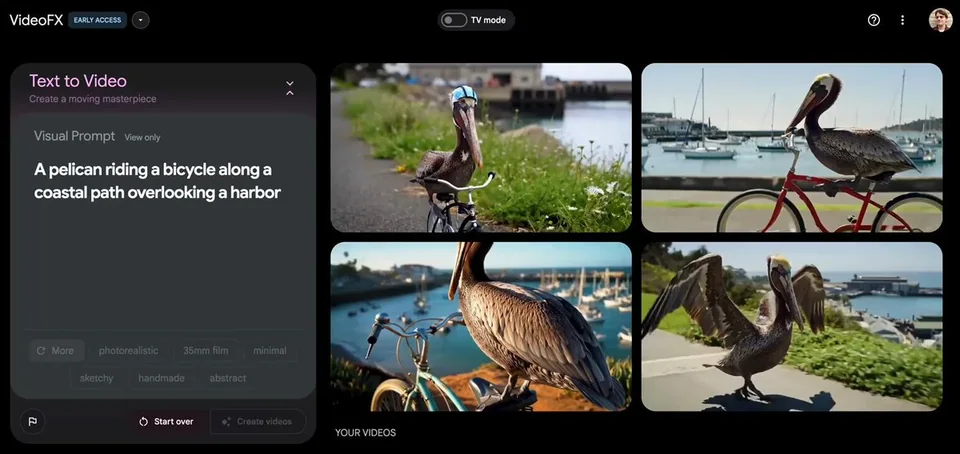
VideoA text-to-video variant: coastal cycling, with visible pedaling in two clips.
 Static SVG
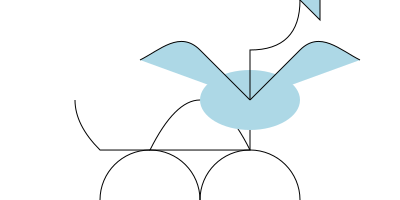
A long Chinese reasoning trace about SVG. Gist: simonw/d8a50200edd5d463b7ce0791c2242c87
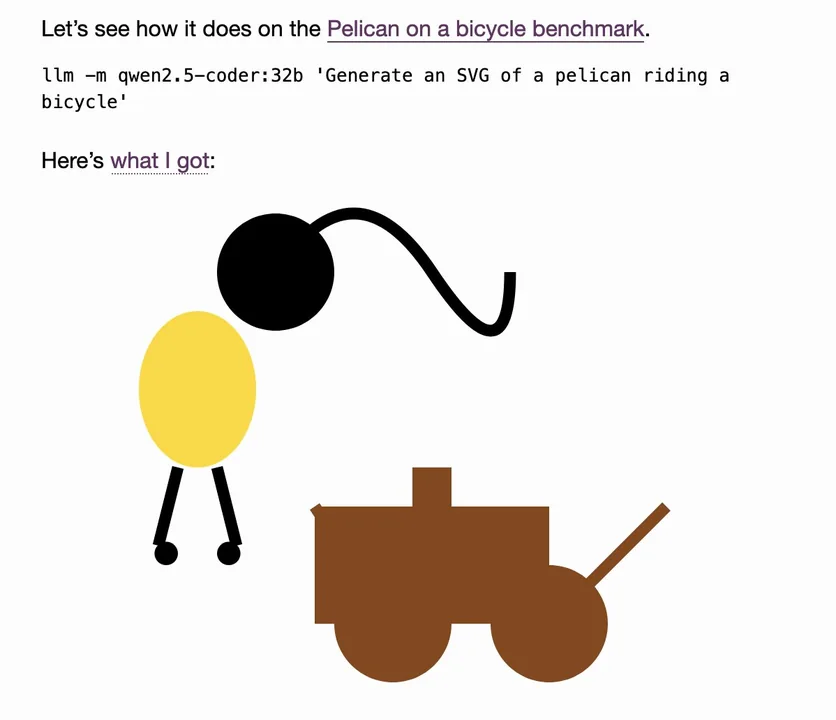 Static SVG
 Static SVG
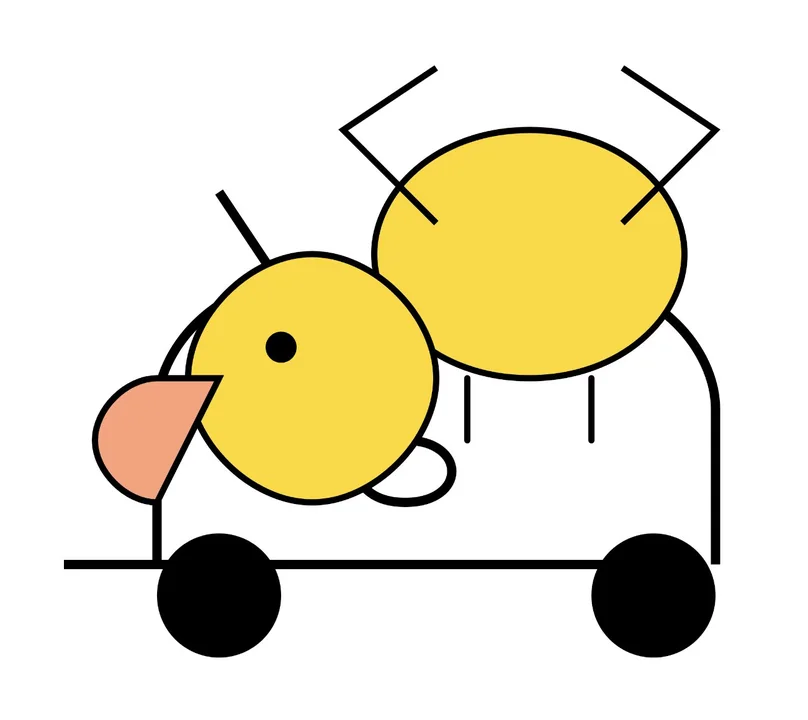
An early experimental model; it later described its own image as an insect.
 Static SVG
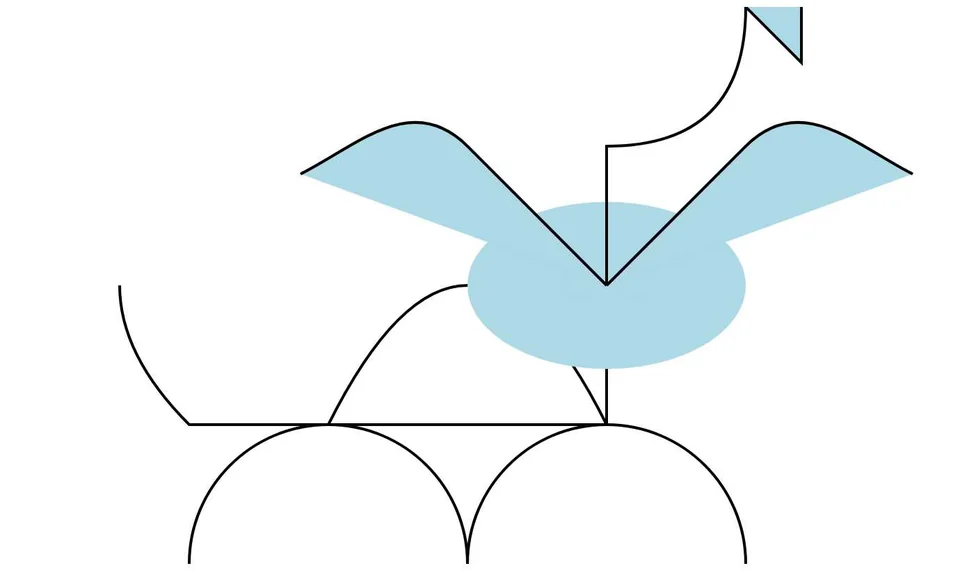
An early locally generated pelican from an open reasoning model.
 Static SVGStatic SVG
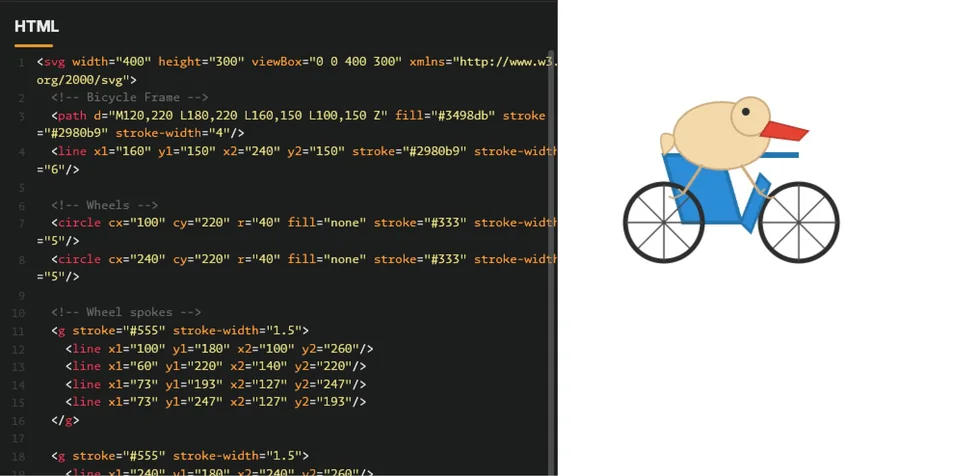
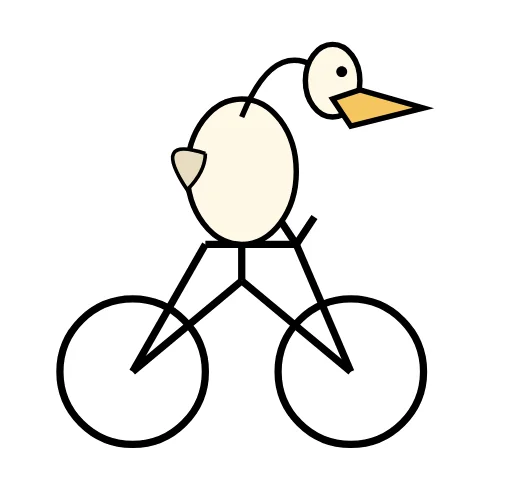
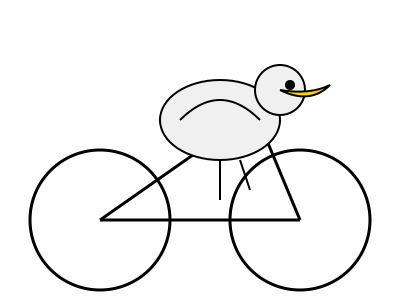
The original experiment. The author liked pelicans, and very few ready-made pelican SVGs were available online at the time.
 Static SVG
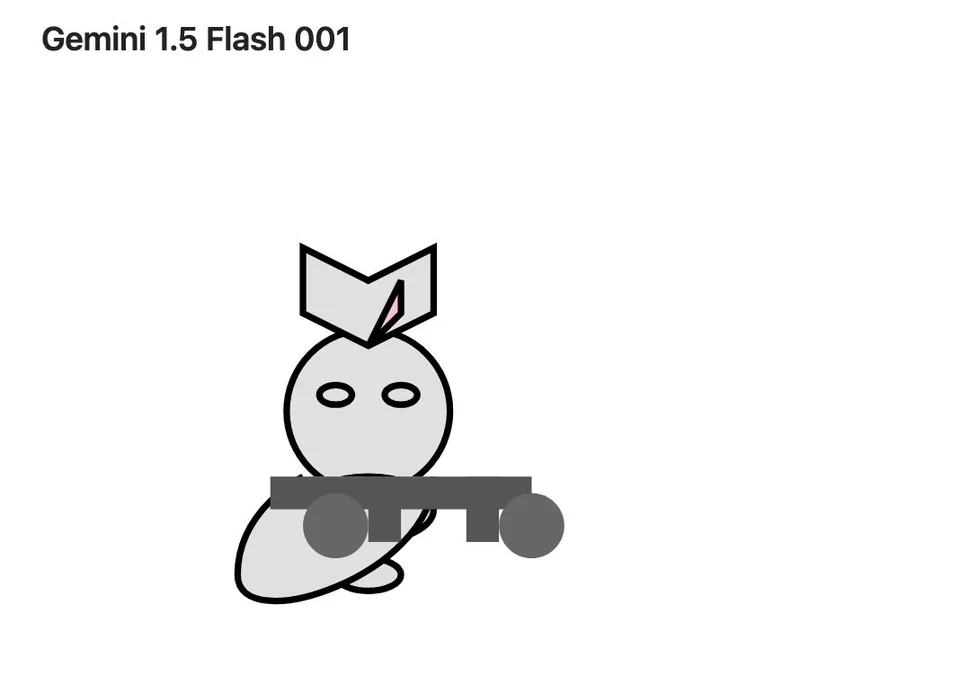
On the original experiment's first day: 001 gave the pelican a gun; 002 gave it a barbell.
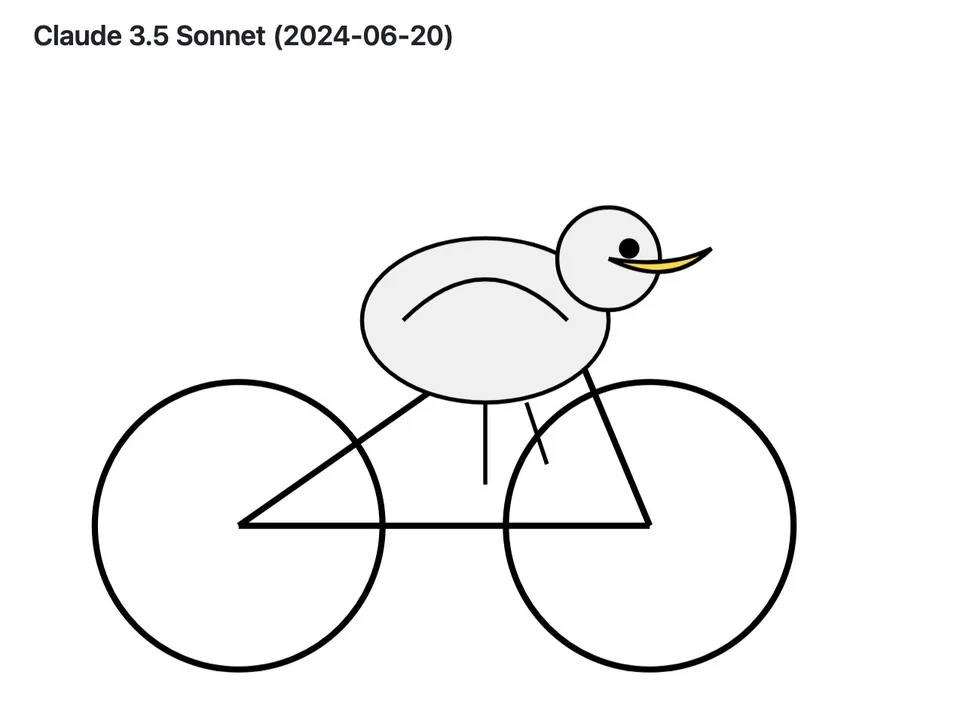 Static SVG
The original post, comparing two Claude 3.5 outputs; 680,000 views.
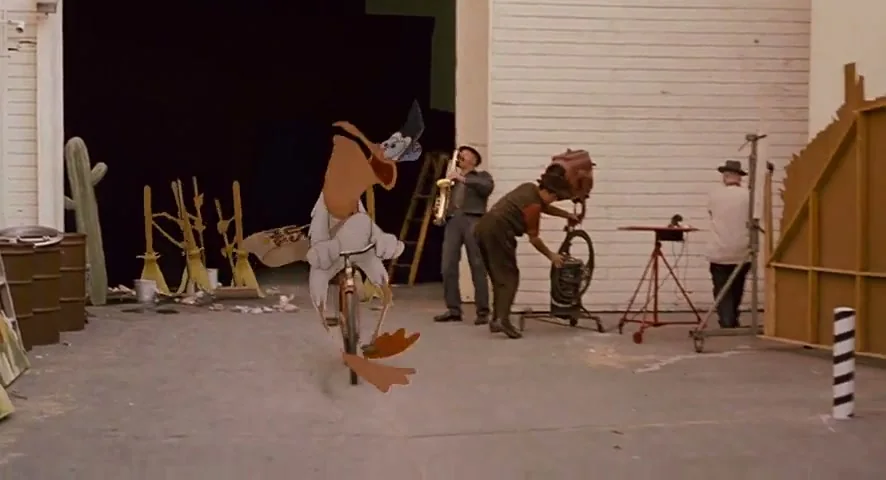 Video
VideoWho Framed Roger Rabbit already featured a pelican riding a real bicycle. Water-filled wheels and counterweights helped balance it.