
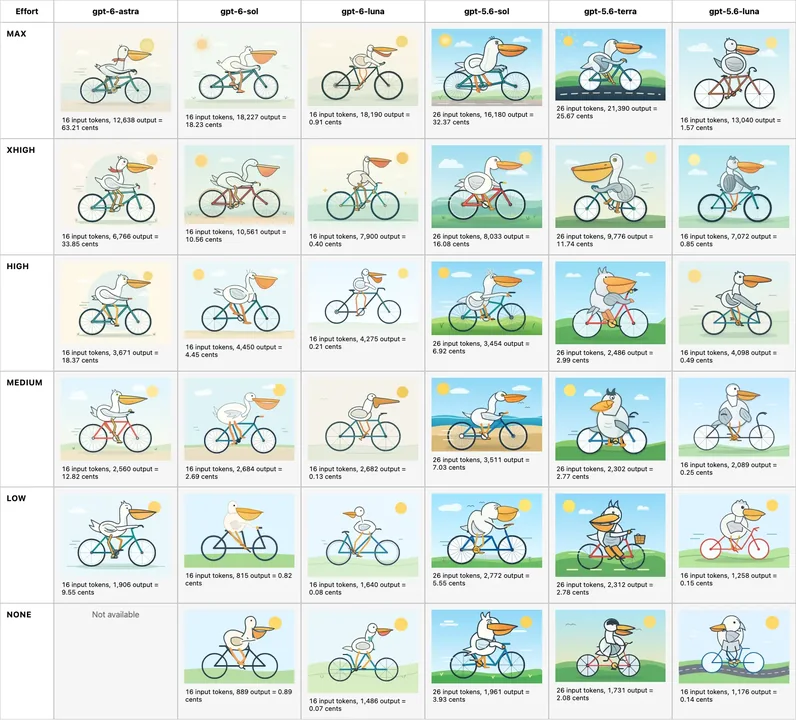
 Text / reference
Opus 5.5 / GPT-6 Sol / Luna
A Japanese summary of Simon's comparison grid.
Timeline recordView record ↗
470 gallery records and 164 timeline records. Categories may overlap and include related beagle, parrot and other experiments.
634 records · Page 2 / 27
Text / referenceA Japanese summary of Simon's comparison grid.
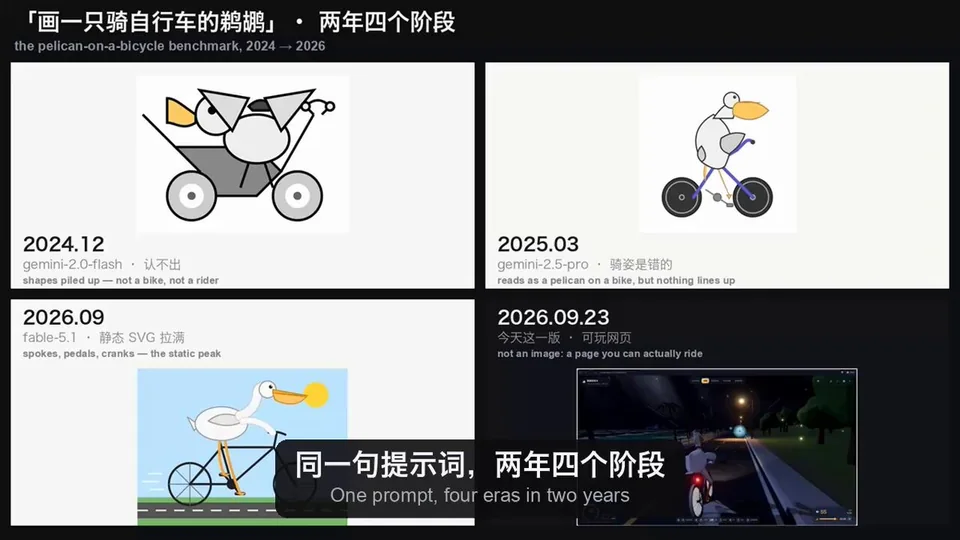 Video
VideoA Chinese timeline overview: unrecognizable in 2024, recognizable but incorrectly posed in 2025, static images reaching a ceiling in September 2026, then playable webpages.
 Static SVG
 Static SVG
 Static SVG
 Static SVG
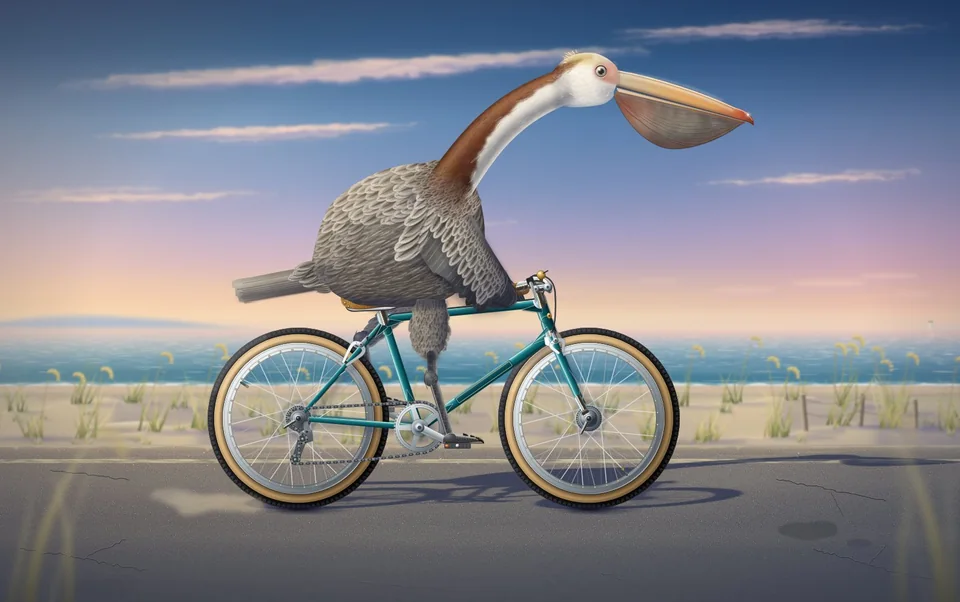 Static SVG
The author alleged that the model traced an image into 1.3 million characters of paths rather than reasoning spatially.
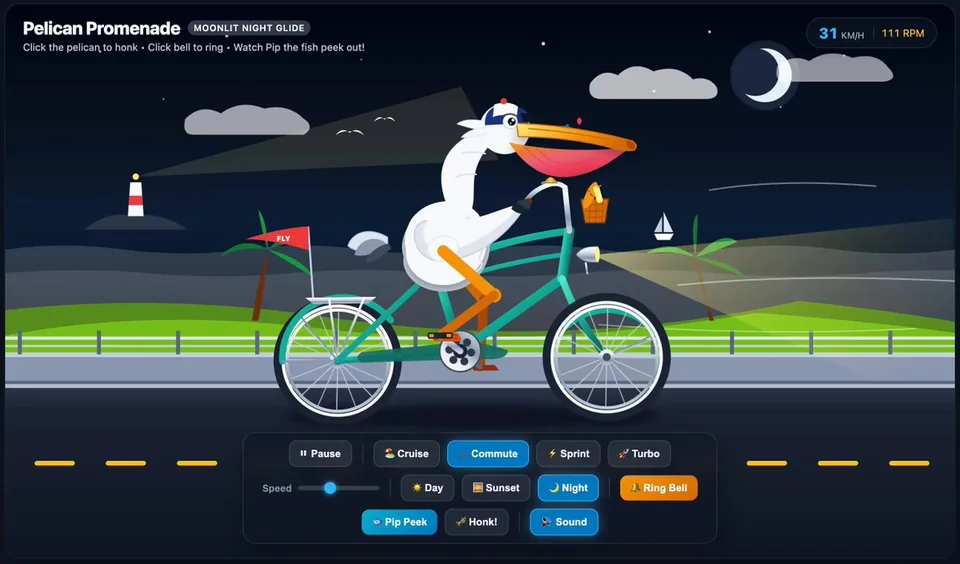 Animation
 Animation
An example of a two-stage Chinese prompt. The connection dropped once; the author judged its aesthetics roughly on par with K3. Video length: about 11 seconds.
 Animation
 Animation
Four effort levels side by side, with local file reading prohibited.
 Animation
 Game / interactive
A different species. Reported cost: about CNY 8 and 4 million tokens. Published at case.ccvibe.top, with added weather, night scenes and Mario-style gameplay.
 Static SVG
 Static SVG
 Video
VideoCodexRadar's “Pelican Cup” collected nearly 100 submissions to monitor possible Astra regressions.
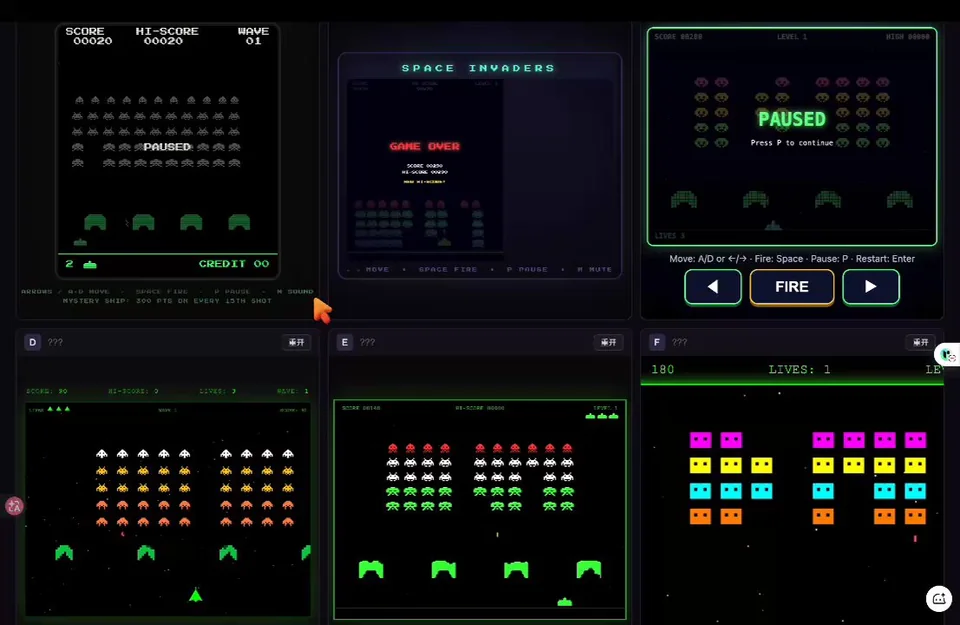 Video
VideoSimon tried another prompt in one shot, without editing the code.
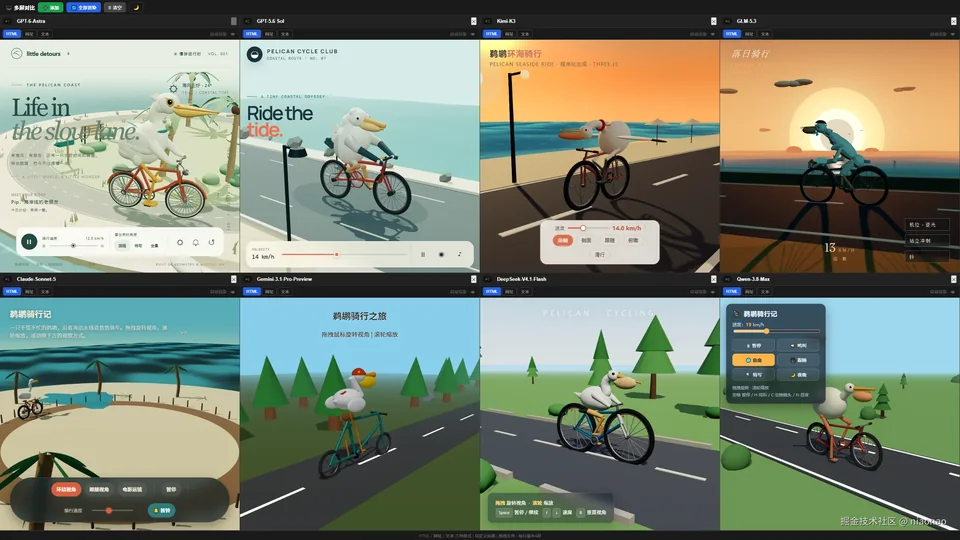 3D work
The source's ranking: Astra 94, GPT-5.6 Sol 88, GLM-5.3 86, Kimi K3 83, GLM-5.3-Flash 81, Sonnet 5 78, DS-V4.1-Flash 76, Qwen3.8-Max 74.
 Animation
A scoring rubric assigned 25 points to pelican features, 25 to bicycle structure and 30 to animation kinematics. Astra used two-link IK.
 3D work
A short-prompt regression test covering instruction following, subject recognition, structure, coordinated animation, visual organization and context retention.
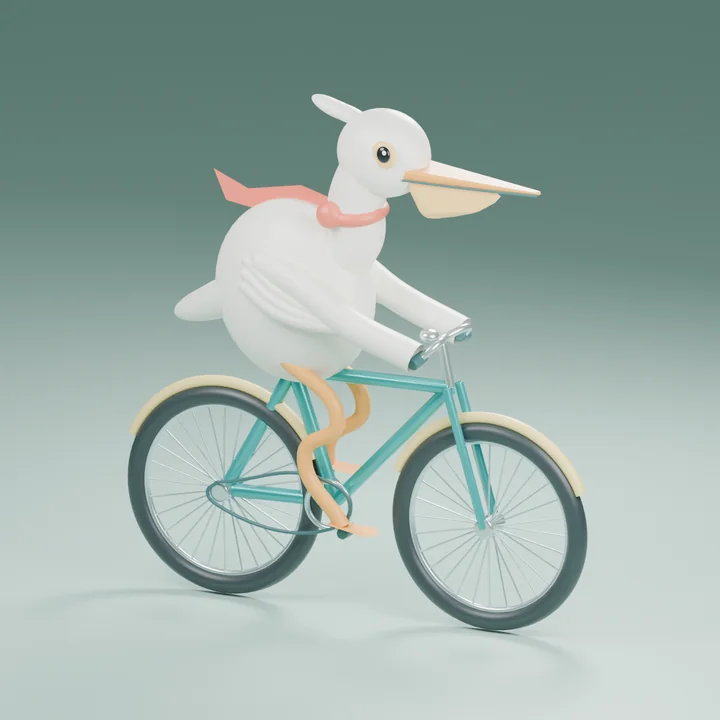 3D work
The classic prompt moved from SVG to a local 3D content-creation tool. Background and visual flourishes were added later.
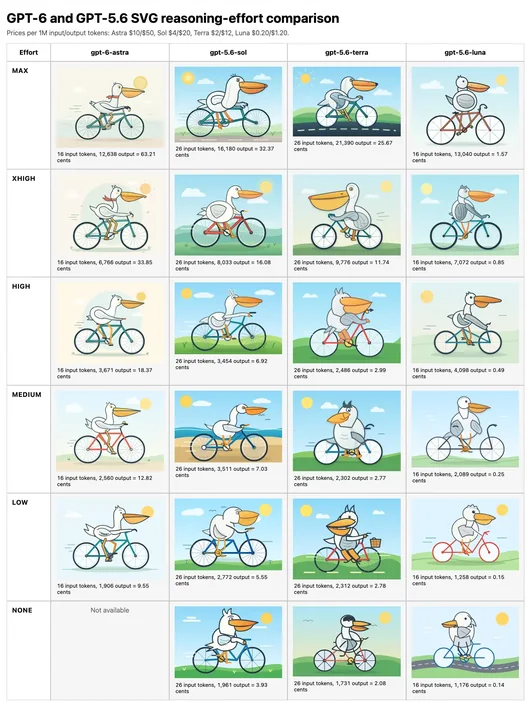 Static SVG
A grid comparing reasoning effort levels. Community comments said Astra finally looked more like a bird actually riding a bicycle.
 Animation
 Static SVG